


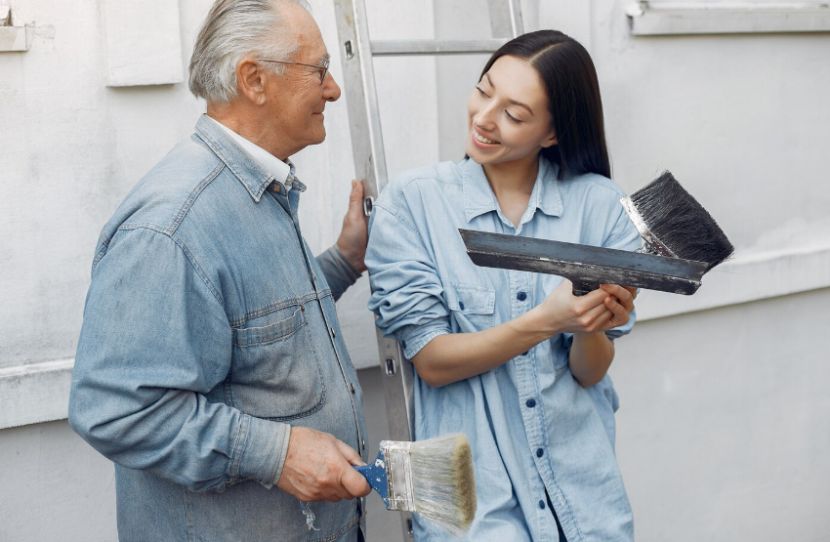
There is an undeniable charm to owning an older home. From the character of original woodwork to unique architectural details, aging houses tell stories that modern builds simply cannot replicate. However, these stories also come with decades of wear and tear.
To ensure your historic or mid-century property remains a safe, comfortable, and valuable haven, proactive upkeep is non-negotiable. Regular attention to structural, electrical, and plumbing elements will prevent minor issues from spiraling into catastrophic, expensive repairs.
Here are the top home maintenance tasks every owner of an aging house must prioritize to keep their property in peak condition.
1. Monitor and Support the Foundation
The foundation is the bedrock of your home’s structural health. Over the course of several decades, soil shifts, tree roots expand, and water runoff can cause foundations to settle unevenly.
Walk around your home’s perimeter regularly to inspect the concrete, stone, or brick base. Look for stair-step cracks in exterior masonry, horizontal cracks in basement walls, or uneven, sloping floors inside. While minor settling is normal for historic homes, widening gaps require immediate professional evaluation.
To mitigate future movement, ensure the ground slopes away from your foundation to prevent water from pooling and eroding the supporting soil.
2. Inspect the Roof and Clear the Gutters
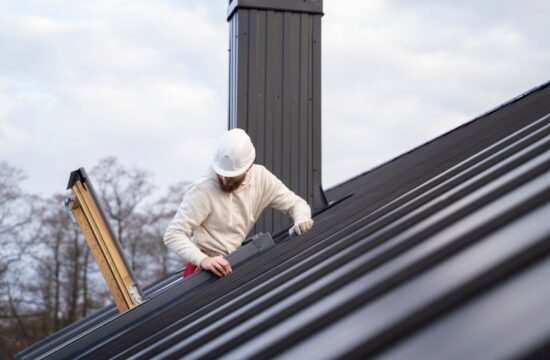
A compromised roof is an aging house’s worst enemy. Water intrusion can quickly rot rafters, ruin attic insulation, and breed dangerous mold behind plaster walls.
Inspect your roof at least twice a year, looking for curled, cracked, or missing shingles. Pay close attention to the flashing around chimneys, skylights, and vents, as these are common failure points. Equally important is gutter maintenance.
Clogged gutters force rainwater to overflow, pouring directly down your exterior siding and pooling around the foundation. Clean your gutters every spring and autumn to guarantee smooth, directed drainage.
While inspecting the roofline, examine the siding, exterior paint, trim, porch railings, and walkways for weather-related damage. Completing seasonal exterior upgrades that improve curb appeal can refresh an aging home’s appearance while sealing vulnerable surfaces, correcting minor deterioration, and protecting the property from further moisture damage.
3. Audit the Plumbing and Sewage Systems
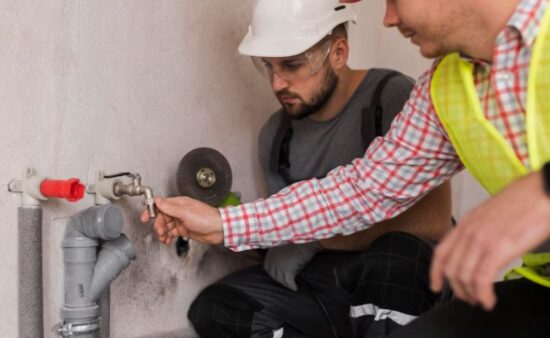
Older properties often hide ticking time bombs behind their walls in the form of outdated plumbing. Galvanized iron pipes can rust internally, restricting water flow and contaminating your supply, while ancient copper joints may slowly degrade.
If you experience frequent leaks, rust-colored water, or low pressure, a comprehensive repiping project may be necessary.
Waste management systems also demand diligent care, especially if your property relies on localized infrastructure rather than a city sewer connection.
For instance, scheduling a professional septic tank pumping in Spanish Fork every three to five years is an essential maintenance task that clears solid waste, protects your drain field, and prevents costly, hazardous backups. Proactive plumbing care is always more affordable than emergency remediation.
Homeowners should also prepare for unexpected failures by knowing which problems require immediate attention. Burst pipes, sewage backups, major roof leaks, electrical hazards, and loss of essential utilities may require emergency repairs to prevent further property damage and protect everyone inside the home.
4. Modernize the Electrical System
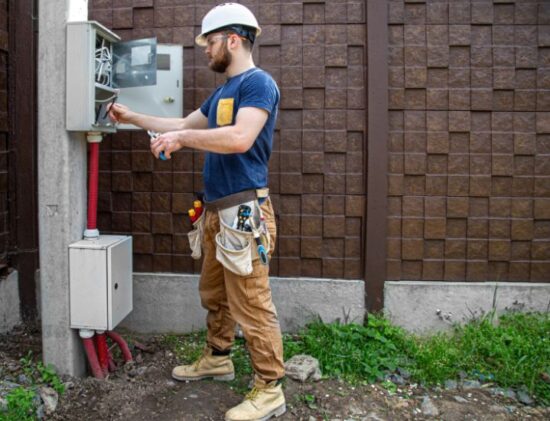
Electrical standards have evolved dramatically over the last half-century. Many aging homes still feature outdated knob-and-tube wiring or panels that cannot handle the heavy electrical load of modern appliances, computers, and climate control systems. Overloaded circuits are not just inconvenient; they are a major residential fire hazard.
If your lights flicker, outlets feel warm to the touch, or you rely heavily on extension cords, call a licensed electrician.
Upgrading to a modern 200-amp panel and installing Ground Fault Circuit Interrupters (GFCIs) in wet areas like kitchens and bathrooms is a vital safety upgrade that brings your historic home up to modern safety codes.
5. Seal the Envelope and Upgrade Insulation
Older houses are notoriously drafty, which can result in soaring utility bills and inconsistent indoor temperatures. Preserving your home’s comfort requires sealing the building envelope.
Begin by inspecting the caulking around windows and doors, replacing dry, cracked seals with fresh, flexible silicone. Next, check the attic’s insulation level. Adding modern fiberglass, rockwool, or cellulose insulation can dramatically improve temperature regulation.
Finally, have your HVAC system and ductwork serviced annually. Sealing old duct seams with mastic or metal tape ensures that your heating and cooling systems operate efficiently without losing conditioned air to unfinished spaces.
Preserving Your Investment
Owning an aging home is a labor of love. While the maintenance checklist may seem daunting at first, breaking these tasks down into manageable seasonal goals makes the preservation process seamless.
Following a structured annual house maintenance schedule can make older-home upkeep easier to manage.
By staying vigilant and investing in critical repairs early, you preserve the unique character of your historic property while securing its safety and structural integrity for decades to come.