





Owning a home is a rewarding experience, but it comes with the ongoing responsibility of property preservation. Over the course of a year, changing weather conditions, continuous equipment operation, and general wear take a steady toll on your property. Waiting for something to break before addressing it is an expensive and stressful approach to property management.
Dividing home upkeep into a structured, monthly timeline keeps the workload manageable. This annual schedule spreads tasks evenly across twelve months, protecting your structural investments and keeping your living spaces operating safely and efficiently.
Q1: Winter Internal Checkups
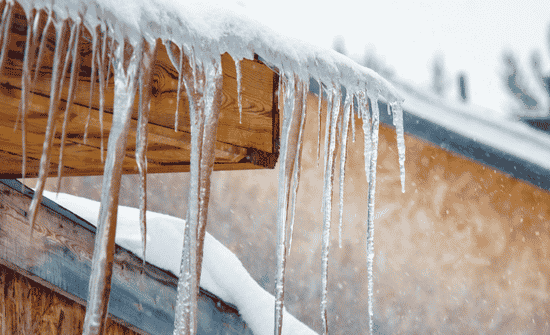
The first three months of the year are ideal for focusing on internal systems, as freezing outdoor temperatures limit exterior projects.
January: Safety Infrastructure
Dedicate the start of the year to life-safety devices. Test every smoke alarm and carbon monoxide detector in the house, replacing batteries if you did not do so in the autumn. Check the expiration date on your fire extinguishers and ensure they are easily accessible in the kitchen and garage.
February: HVAC Filters and Vents
With the heating system running continuously, air filters quickly clog with dust and pet dander. Replace the furnace filter to maintain strong airflow and lower your energy usage. Take time to vacuum out floor registers and cold air return vents to prevent dust from recirculating through your rooms.
March: Water Heater Flush
Mineral sediment slowly settles at the bottom of a water heater tank, forming an insulating barrier that forces the system to consume more fuel. Drain the tank using the bottom valve to flush out these deposits. This straightforward task restores heating efficiency and prevents premature tank corrosion.
Q2: Spring Rejuvenation
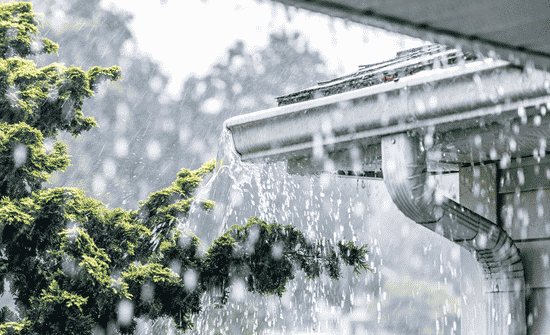
As the weather warms, maintenance priorities shift toward reversing winter damage and preparing the exterior for summer.
April: Gutter and Roof Clearance
Winter storms often leave gutters packed with decaying leaves, twigs, and debris. Clear out these drainage paths so springtime rain showers can flow freely away from your foundation. While cleaning, inspect the roof shingles for signs of cracking, lifting, or wind damage.
May: Window and Door Seals
Check the caulking and weatherstripping around all exterior windows and doors. Damaged seals let cool air escape during the summer, forcing your air conditioning unit to run constantly. Replacing worn seals is an inexpensive way to stabilize indoor climate controls.
June: Deep Kitchen Care
Before the summer heat sets in, clean the refrigerator condenser coils located underneath or behind the unit. Dust buildup on these coils forces the compressor to work harder, shortening the lifespan of the appliance.
Clean out the dishwasher filter and clear any clogged water jets on the spray arms to ensure optimal performance. Learning simple ways to clear clogs at home can also help maintain proper water flow, prevent unnecessary strain on household appliances, and reduce the likelihood of costly repairs.
Q3: Summer External Protection

The mid-year months offer long days and dry weather, making it the perfect time to handle exterior structural preservation.
July: Deck and Patio Integrity
Inspect wooden decks and patios for loose boards, protruding nails, or signs of wood rot. Apply a fresh coat of sealant or stain if water no longer beads on the surface. Taking care of the wood now prevents moisture from penetrating the grain during late-autumn storms.
August: Major System Diagnostics
High summer usage puts immense pressure on large mechanical systems. If a major kitchen or laundry unit begins making unusual noises or operating inefficiently, inspect the components immediately. When looking to complete repairs yourself, sourcing genuine appliance parts in Ogden guarantees that your equipment receives components matching the original factory specifications, avoiding compatibility issues.
September: Siding and Foundation
Walk around the perimeter of your house to check the siding for cracks, gaps, or pest entry points. Seal small foundational gaps with exterior-grade silicone caulk. Keeping moisture and rodents out of your walls before the temperature drops prevents serious structural issues later.
Taking preventive measures early can also reduce the need for professional extermination services, leading many homeowners to consider how much pest control costs compared to the expense of repairing damage caused by an established infestation.
Q4: Autumn Preparation
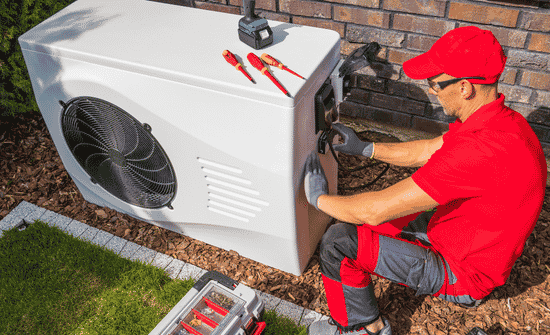
The final quarter of the year centers on winterization, ensuring the home is sealed tight against freezing drafts.
October: Heating System Service
Schedule an inspection for your furnace or boiler before you need to rely on it daily. Clean the burners, test the thermostat accuracy, and check for proper ventilation. Running a system check now avoids an emergency breakdown on the coldest day of the year.
November: Exterior Plumbing Drainage
Freezing water expands inside pipes, which can cause exterior lines to burst and flood crawlspaces. Disconnect all garden hoses from outdoor spigots, drain the residual water from the lines, and shut off the interior valves leading to outside faucets. Cover the exterior spigots with insulated foam caps.
December: Attic and Insulation Verification
Venture into the attic to check the condition of your insulation. Ensure that attic vents are not blocked by loose insulation material, as proper ventilation prevents ice dams from forming on your roof edges. Inspect the underside of the roof for any signs of water stains that indicate a hidden leak.