




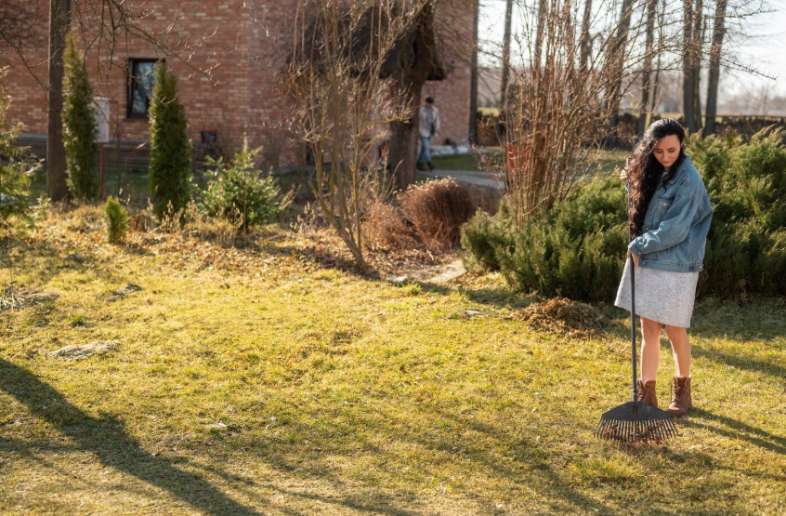
Few things are more disheartening to a homeowner than watching a beautiful outdoor landscape transform into a swamp after a heavy downpour.
When rainwater pools into deep puddles across your lawn, turns garden beds into muddy moats, or seeps dangerously close to your home’s foundation walls, you are dealing with a critical yard drainage problem.
In residential areas, water accumulation is rarely caused by simple bad weather luck. Rather, it is the predictable result of poor soil composition, unmanaged roof runoff, and incorrect ground contours. When left unaddressed, standing water suffocates plant roots, creates breeding grounds for mosquitoes, destroys turf grass, and threatens the structural integrity of your concrete foundation.
Fixing yard drainage issues requires moving past quick surface corrections and addressing the underlying hydrology of your property.
By channeling roof water, engineering below-ground pathways, upgrading soil dynamics, and modifying ground slopes, you can protect your real estate investment and regain a dry, functional outdoor living area.
1. Divert Roof Runoff Far Beyond the Foundation
The absolute foundation of a dry yard starts right along your roofline. A standard residential roof collects thousands of gallons of rainwater during a major storm event.
If your gutter downspouts terminate directly at the base of your home, all of that concentrated volume dumps straight into the surrounding soil, overwhelming your foundation perimeter.
To break this water cycle, install solid, smooth-walled PVC extension pipes underground to route roof runoff at least ten feet away from the structure.
Direct these discharge lines toward natural downward slopes or dedicated municipal drainage channels. Routing this massive water load far away from your walls cuts down the moisture strain on your perimeter yard instantly.
Drainage improvements should also be part of a broader plan for maintenance tasks for aging houses, since older gutters, settling soil, cracked downspout connections, and worn foundation seals can all contribute to recurring moisture problems around the property.
2. Install a Multi-Layered French Drain Network
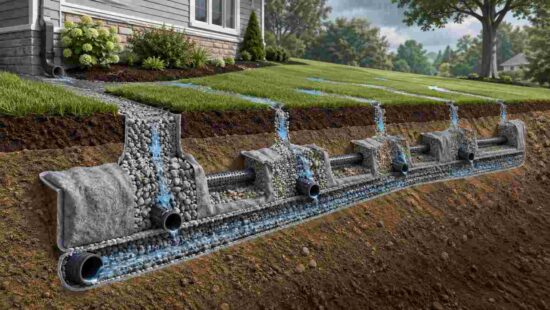
When surface water saturates low-lying sections of your lawn and creates permanent muddy zones, surface slopes alone cannot fix the issue.
You need an underground channel to pull subsurface moisture out of the saturated dirt and route it away.
A classic French drain acts like an underground highway for water management. Dig a deep trench through the chronically wet zone, sloping it downward toward a safe exit point.
Line the trench with high-performance geotextile fabric, lay down a perforated PVC pipe with the holes facing downward, and fill the space with clean, washed gravel.
Water enters the gravel column, drops into the pipe, and drains out safely away from your high-activity zones.
Keeping water-moving systems clear also supports long-term drainage performance. Using safer Drano alternatives can help address minor household clogs without relying on harsh chemicals that may damage pipes, contaminate runoff, or create additional maintenance concerns.
3. Correct Subgrade Gradients with Professional Earth Grading
While small surface trenches help clear minor puddles, fixing severe watershed challenges across a highly sloped or uneven property demands professional heavy-duty earthwork.
If your entire backyard slopes inward toward the back patio rather than outward toward the street, simple hand-shoveling will not resolve the structural problem.
When a property suffers from complex grading challenges or heavy clay layers, correcting the slope requires precision equipment and earthwork. Property owners dealing with severe pooling or low-lying lots invest in professional earthworks to permanently rewrite their property’s flow patterns.
Utilizing professional excavation in West Valley City allows you to safely re-shape the contours of your land, clear out dense clay, and cut clean swales or retention basins.
These comprehensive adjustments serve a vital structural purpose: they establish a true, continuous slope that conforms to strict sub-base compaction standards, ensuring that heavy rain moves naturally away from your home.
By bringing in professional grading machinery to shape your property’s subgrade, you eliminate massive pooling problems and give your subsequent low-maintenance landscape design a perfectly dry foundation.
4. Construct an Aesthetic Dry Creek Bed or Drainage Swale
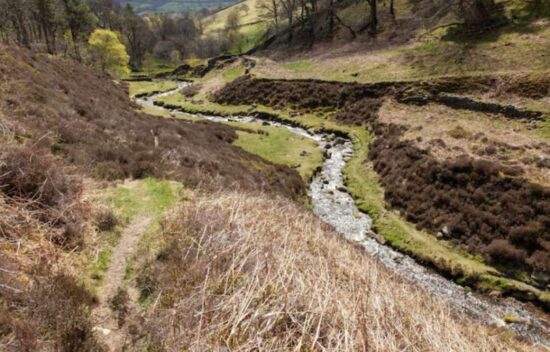
If your land handles large volumes of rushing surface water during heavy seasonal storms, trying to force all that water underground through pipes can easily overwhelm your system. You need a wide, open-air channel to slow down, catch, and direct the heavy flow naturally.
Building a dry creek bed lets you turn a drainage problem into a stunning visual centerpiece. Dig out a shallow, winding swale through the path where water flows naturally.
Line the path with durable landscaping fabric, and fill the bed with a mix of large river rocks, smooth cobbles, and decorative boulders. During heavy storms, this channel safely controls the rushing surface water, preventing topsoil erosion and letting the water drain out cleanly without ruining your primary grass lawns.
5. Build an Eco-Friendly Deep Rain Garden
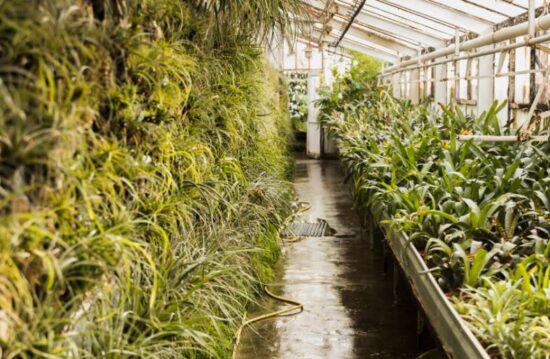
For properties where a lack of downward slope makes it impossible to route water completely off the lot, you must design a dedicated area where stormwater can collect and sink cleanly back into the earth.
A rain garden serves as a natural, highly efficient holding basin. It catches rushing surface water, holds it temporarily, and allows it to filter naturally back down into the local water table within 24 hours. This eco-friendly setup prevents water from pooling in unwanted zones and adds a lush, low-maintenance feature to your yard.
Because standing water can attract mosquitoes and other unwanted insects, homeowners should also understand how much pest control costs when planning long-term yard improvements. Improving drainage first can reduce recurring pest pressure and help limit the need for repeated treatments.
6. Aerate the Lawn Compacted Soil Layers
Many property owners struggle with standing water simply because their soil is compacted. High-traffic yards, heavy play equipment, and years of regular mowing compress the upper layers of dirt, closing up the open air pockets that allow water to pass through.
Enforce a regular maintenance schedule that includes deep mechanical core aeration every spring or autumn. An aerator pulls small soil plugs out of the turf, opening up tight paths for air, nutrients, and water to travel deep down into the root system.
If your ground is dominated by tight clay, top-dress the aerated lawn with thin layers of fine organic sand or rich compost to permanently improve your lawn’s natural drainage capacity.
7. Switch Out Solid Surfaces for Permeable Paving Layouts
The final element of an integrated drainage strategy focuses on handling your hardscape surfaces. Building wide patios, long walkways, and driveways out of solid poured concrete creates large, non-porous zones that force water to run off onto your surrounding lawns.
Modern property layouts eliminate this extra water strain by utilizing permeable hardscape options. Interlocking pavers set over deep gravel beds, wide flagstones separated by fine grass accents, and grass-concrete grids allow heavy rain to sink straight through the surface right where it lands.
Shifting to permeable hardscapes keeps your paths perfectly dry and clear of puddles, protecting your low-lying flower beds from sudden mud slides.
Conclusion
Resolving yard drainage problems is never an accidental stroke of good fortune; it is a calculated triumph of proactive planning, precise earth science, and smart landscape choices.
By replacing passive maintenance habits with underground downspout lines, heavy-duty French drains, professional grading adjustments, and permeable hardscapes, you successfully protect your home from water damage and soil erosion.
Taking the time to systematically organize your yard’s watershed dynamics removes hidden stresses from your weekly routine.
Investing in these seven protective safeguards guarantees that your yard stops behaving like a high-maintenance chore and transforms into a beautifully resilient, perfectly dry sanctuary designed to deliver absolute outdoor relaxation, healthy plant growth, and uncompromised peace of mind for decades to come.