





Long before a child ever decodes their first official word on a page, the foundational architecture for reading and writing is already being constructed. In early childhood development, this active and natural process is known as emergent literacy.
Rather than forcing toddlers into passive, structured lessons with rigid flashcards or repetitive tracing sheets—which often trigger early academic fatigue—nurturing literacy is about cultivating a rich, language-filled world.
During the first five years of life, a child’s brain undergoes rapid development, forming neural connections at an astonishing rate of over one million per second. In fact, more than 90% of brain development occurs before the age of five.
This window of neuroplasticity makes early childhood the ideal time to introduce foundational “pre-reading” concepts.
Research shows that children exposed to strong early literacy practices enter school with larger vocabularies, stronger comprehension, and a much smoother path to reading fluency.
Ultimately, children who read fluently by the third grade are four times more likely to graduate high school on time, proving that early literacy truly shapes lifelong success.
Here are the core early literacy skills every parent and caregiver should focus on, along with playful ways to foster them at home.
1. Phonological Awareness: Hearing the Sounds of Language

Before children can connect letters to written symbols (phonics), they must first learn to distinguish individual sounds (phonemes) in spoken language. This is known as phonological awareness, and it is the absolute groundwork of reading.
Because reading starts with the ear rather than the eye, children need opportunities to realize that spoken words are made up of smaller units of sound.
- How to practice: Play simple, spoken sound games throughout the day. Read nursery rhymes and sing-along songs like “Twinkle, Twinkle, Little Star”. Point out words that rhyme, such as “cat” and “hat”, and practice clapping out the syllables in family names or household objects.
2. Print Awareness: Discovering That Squiggles Have Meaning
Long before children can read, they notice how books work—a skill called print awareness. They begin to understand that we read text from left to right, that books have covers, and that those black squiggles on the page represent the spoken words they hear.
- How to practice: When reading aloud, occasionally point to the words as you read them. Let your toddler hold the book and practice turning the pages. Talk about the book’s cover and ask them to show you where the story starts.
3. Vocabulary and Narrative Expression
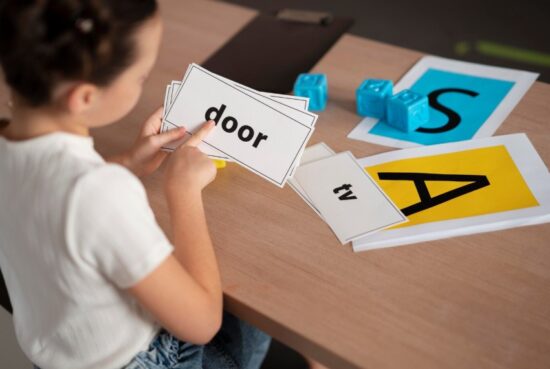
The more words a child hears and uses, the easier reading becomes later on. A rich vocabulary stocks their mental shelves, making it easier to decode words they already recognize in speech.
- How to practice: Move beyond simple commands and engage in deep conversations. Narrate your daily activities—like cooking or grocery shopping—to introduce fresh vocabulary. Encourage your child to tell stories about drawings they make, and write down their exact words to show them that their thoughts can become text.
4. Interactive Dialogic Reading
Traditional reading often involves a caregiver reading while a child sits silently. While beneficial, active dialogue engages a child’s cognitive potential far more deeply. Dialogic reading transforms the child from a passive listener into an active storyteller.
- How to practice: Pause during storytime to ask open-ended questions. Ask, “Why do you think the bear looks sad?” or “What do you think will happen when they open that door?”. Connect the book’s events to their real-life experiences to boost critical-thinking pathways.
Turning storytime into a consistent daily habit is one of the most practical smart parenting hacks, as it strengthens language skills while creating meaningful opportunities for connection and conversation.
5. Sensory and Tactile Alphabet Play
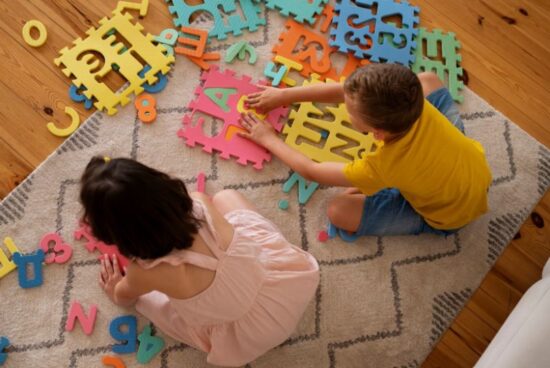
Learning the shapes of abstract symbols on flat worksheets can feel tedious and confusing to young minds. Sensory play bridges this gap by letting children physically touch and manipulate letters, creating stronger brain-to-hand connections.
- How to practice: Use magnetic letters on the fridge, write letters in shaving cream or sand, or mold them using playdough. These tactile activities build a strong physical memory of letter shapes, paving the way for writing.
Building a Foundation for the Future
Nurturing early literacy does not require rigid, formal drills. By weaving interactive reading, sensory play, and playful conversations into your child’s daily routine, you make learning a natural and joyful part of life.
A positive learning routine also depends on keeping children comfortable during reading circles, classroom play, and hands-on activities, which is why some parents consider Miki House shoes for kids when choosing practical footwear for preschool days.
Shared reading and storytelling can also support teaching kids social confidence, as children learn to listen, take turns, express their ideas, understand emotions, and respond thoughtfully to others.
While practicing these strategies at home is invaluable, a supportive early childhood education program can significantly reinforce your efforts.
If you are looking to complement your home routines, partnering with one of the best preschools in Sandy can provide a nurturing, play-based environment where children thrive through peer-to-peer modeling, structured storytelling, and language-rich group activities.
With the right blend of playful engagement at home and guidance from dedicated educators, you can set your child on a path to becoming a confident, lifelong reader.