




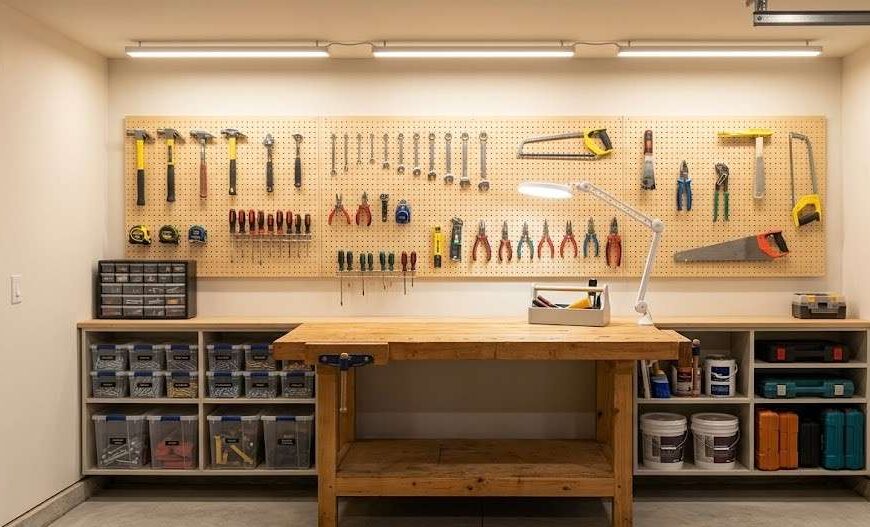
A dedicated DIY workshop can transform the way you approach projects, repairs, and creative pursuits. Whether you enjoy woodworking, crafting, metalworking, home improvement projects, or general tinkering, having a well-organized workspace can significantly improve productivity and enjoyment.
The ideal workshop combines functionality, safety, and flexibility while providing enough room to work comfortably. With thoughtful planning and strategic design, homeowners can create a workshop that supports both current projects and future ambitions without sacrificing organization or efficiency.
Choosing The Right Location
The foundation of any successful workshop begins with selecting the most suitable location. The space should accommodate your needs while allowing room for growth and future home expansion upgrades.
Evaluate Available Space
Many homeowners convert garages, sheds, basements, or unused outbuildings into workshops. The best option depends on the type of projects you plan to complete, the tools you use, and the amount of space required for materials and equipment.
Consider Accessibility
A workshop should be easy to access while still remaining separate enough to minimize disruptions. Convenient entry points make transporting tools, supplies, and finished projects much easier.
Account For Future Expansion
Project requirements often evolve over time. Choosing a location that allows for additional storage, equipment, or workstations can prevent the need for major modifications later.
Selecting the right space creates a solid foundation for a productive and enjoyable workshop environment.
Designing An Efficient Layout
A well-planned layout helps maximize productivity while reducing unnecessary movement and clutter. Every area of the workshop should serve a specific purpose.
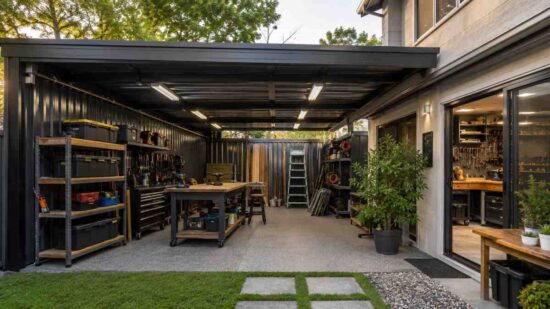
Create Designated Work Zones
Organizing the workshop into dedicated zones improves workflow. Common areas may include cutting, assembly, finishing, storage, and maintenance sections. Separating these functions helps maintain order and efficiency.
Prioritize Workflow
Arrange tools, materials, and workstations according to the natural progression of your projects. Frequently used equipment should remain easily accessible to minimize interruptions.
Maintain Open Space
Crowded workshops can hinder productivity and create safety concerns. Maintaining clear pathways and sufficient working room allows projects to move smoothly from one stage to the next. An organized layout helps create a workspace that feels efficient, comfortable, allows flexible planning and easy to navigate.
Building Smart Storage Solutions
Storage plays a critical role in keeping a workshop organized and functional. Without adequate storage, even the largest workspace can quickly become cluttered.
Utilize Vertical Space
Wall-mounted shelving, pegboards, and storage racks help maximize available space while keeping tools within easy reach. Vertical storage also frees up valuable floor space for larger projects.
Organize By Function
Grouping similar tools and supplies together improves efficiency and makes items easier to locate. Labeling storage areas can further streamline organization and reduce wasted time.
Protect Equipment And Materials
Proper storage helps safeguard tools and materials from dust, moisture, and accidental damage. Dedicated storage solutions can also extend the lifespan of valuable equipment.
Effective storage systems contribute significantly to workshop productivity and overall functionality.
Creating A Comfortable Work Environment
Comfort is often overlooked when designing a workshop, yet it directly impacts focus, efficiency, and long-term enjoyment.
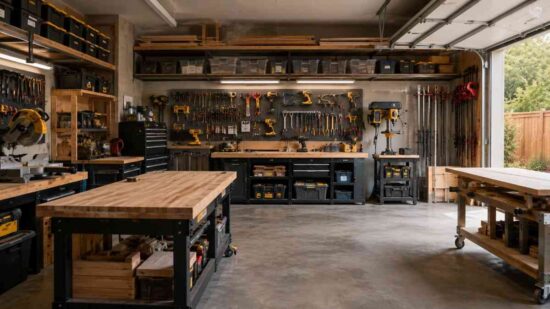
Improve Lighting Conditions
Adequate lighting is essential for precision work and safety. Combining general illumination with task-specific lighting helps ensure visibility throughout the workspace.
Enhance Ventilation
Many DIY activities generate dust, fumes, or heat. Proper airflow helps maintain a comfortable environment while improving air quality and reducing health risks.
Manage Noise Levels
Certain projects involve loud equipment or power tools. Sound-reducing materials and thoughtful workspace design can help minimize noise and create a more pleasant working environment. A comfortable workshop encourages longer, more productive work sessions while supporting overall well-being.
Expanding Workshop Functionality
As projects become more ambitious in seniors as hobbies improve life after retirement, many DIY enthusiasts find that additional workspace and storage capacity are necessary.
Add Covered Work Areas
Outdoor covered spaces can provide extra room for larger projects that may not fit comfortably inside the main workshop. These areas can also be useful for tasks that generate dust or require additional ventilation.
Store Large Equipment Efficiently
Bulky machinery, project materials, and vehicles often require dedicated storage solutions. Protecting these items from weather exposure helps preserve their condition and usability.
Increase Flexibility
Some homeowners use a portable metal buildings in Lake Charles, LA, as an adaptable extension of their workshop environment. This type of covered structure can provide additional space for equipment storage, project staging, or outdoor work activities while maintaining convenient accessibility.
Expanding workshop functionality allows the space to adapt to changing needs and increasingly complex projects.
Prioritizing Workshop Safety
Safety should be a primary consideration in every DIY workshop. A well-designed space helps reduce risks and creates a more secure working environment.
Maintain Clear Pathways
Keeping walkways free of clutter reduces trip hazards and improves movement throughout the workshop. Organized spaces also make emergency access easier if needed.
Store Materials Responsibly
Sharp tools, chemicals, and potentially hazardous materials should be stored securely and according to appropriate safety guidelines. Proper storage minimizes the risk of accidents.
Prepare For Emergencies
Every workshop should include basic safety equipment and emergency supplies. Easily accessible resources help ensure quick responses to unexpected situations.
Conduct Regular Maintenance
Inspecting tools, equipment, and storage systems regularly helps identify potential issues before they become serious problems. Preventive maintenance contributes to both safety and efficiency. A proactive approach to safety protects both the workshop user and the valuable equipment within the space.
Incorporating Flexibility For Future Projects
The best workshops are designed to evolve alongside their owners’ interests and skills. Flexibility allows the space to remain useful and relevant for years to come.
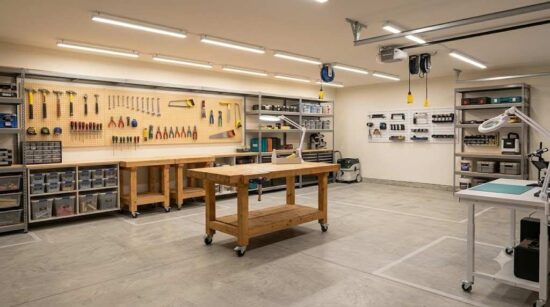
Use Modular Furniture And Storage
Movable workbenches, adjustable shelving, and modular storage systems make it easier to reconfigure the workshop as needs change.
Leave Room For New Equipment
Many DIY enthusiasts gradually acquire additional tools and machinery. Planning for future acquisitions helps prevent overcrowding and costly redesigns.
Adapt To Different Project Types
A versatile workshop can accommodate a wide variety of activities, from small repairs to large-scale creative projects. Flexible design choices help maximize long-term usability. By planning for adaptability, homeowners can ensure their workshop continues to support evolving goals and interests.
Conclusion
Creating the ultimate DIY workshop at home involves more than simply finding extra space. It requires thoughtful planning, efficient organization, smart storage solutions, and a strong focus on comfort and safety. By selecting the right location, designing an effective layout, expanding functionality when needed, and maintaining flexibility for future projects, homeowners can create a workspace that inspires creativity and productivity.
A well-designed workshop not only supports successful project completion but also provides an enjoyable environment where ideas can take shape and skills can continue to grow.