



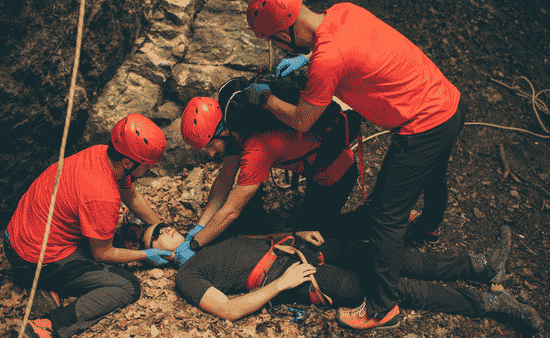
Every year, thousands of outdoor enthusiasts find themselves disoriented or stranded in the wilderness. When a hiker goes missing, specialized search and rescue teams deploy to locate them as quickly as possible. These highly trained professionals do not wander through the woods. Instead, they use a methodical blend of tracking science, statistical behavior analysis, and modern technology to narrow down the search area and pinpoint a missing person.
Understanding how these teams operate can help you make smart decisions if you ever find yourself lost. By cooperating with their methods, you can dramatically increase your chances of a swift and successful rescue.
1. The Science of the Search Area
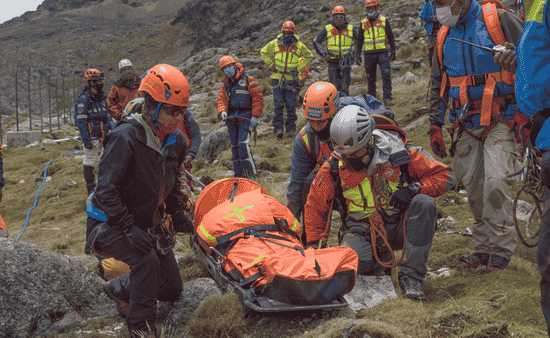
When a rescue operation begins, coordinators establish a search area based on a concept known as search theory. They do not start by looking everywhere at once; they start where the missing person is statistically most likely to be.
Establishing the Last Known Point
The search always begins at the last known point. This could be the trailhead where the hiker parked their vehicle, a registry book they signed, or a specific trail junction where another hiker remembers passing them. From this starting point, coordinators draw a boundary based on how far a person could realistically walk in the time that has passed since they went missing.
Analyzing Hiker Behavior
Rescue teams study historical data on how lost people behave. For example, lost hikers often follow the path of least resistance. They tend to walk downhill rather than uphill, and they often follow natural geographic features like stream beds, ridges, or game trails. Coordinators use these behavioral patterns to prioritize which specific zones to search first.
2. Tracking on the Ground
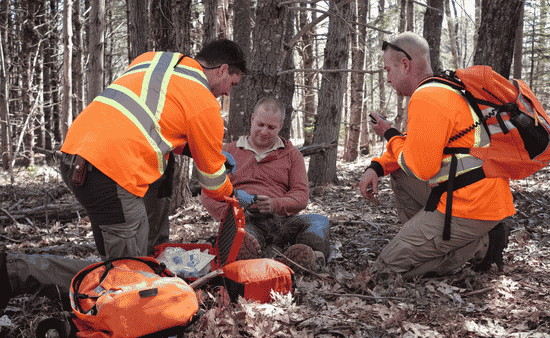
Ground searchers are often skilled trackers who can find a person by reading the forest floor. They look for subtle clues that an untrained eye would easily miss.
Reading Footprints and Sign
Trackers look for footprints in mud, sand, or snow to determine the direction of travel and the size of the hiker’s footwear. They also look for broken branches, displaced rocks, scuff marks on tree bark, or crushed vegetation. Even a tiny piece of torn clothing snagged on a thorn can confirm that a missing person passed through a specific corridor.
Canine Search Teams
Dogs are among the most valuable assets in any rescue operation. Air-scent dogs can cover large areas quickly by sniffing the air for human scent particles. Tracking dogs, on the other hand, require an article of the missing person’s clothing to follow a specific scent trail left on the ground.
3. How to Help Rescuers Find You
If you realize you are lost or injured and cannot find your way back, your primary objective shifts from hiking to helping searchers find you. Your actions on the ground directly impact how quickly teams can resolve the situation.
Stay in One Place
The single most important decision you can make is to stop walking. If you continue to move, you may walk right out of the search zone that teams are actively checking. Staying in one spot allows rescuers to calculate your location based on your last known point without having to chase a moving target.
Make Yourself Visible and Loud
Forests can be incredibly dense, making it difficult for ground teams or helicopters to spot you.
- Create contrast: Step out into small clearings if you hear search teams nearby. Wear brightly colored clothing or spread a bright rain jacket on the ground.
- Make noise: Blow a whistle in groups of three, which is the universal distress signal. Avoid shouting continuously, as human voices fade quickly and strain your throat.
- Signal through technology: If you have cellular service, send a text message with your coordinates to a loved one. For remote areas, carrying a satellite two-way radio ensures you can communicate with emergency coordinators even when cell towers are completely out of reach.
By understanding how search and rescue teams operate, you can take active steps to assist them. Stay calm, stay in one location, and make it as easy as possible for trackers to follow your trail to safety.