




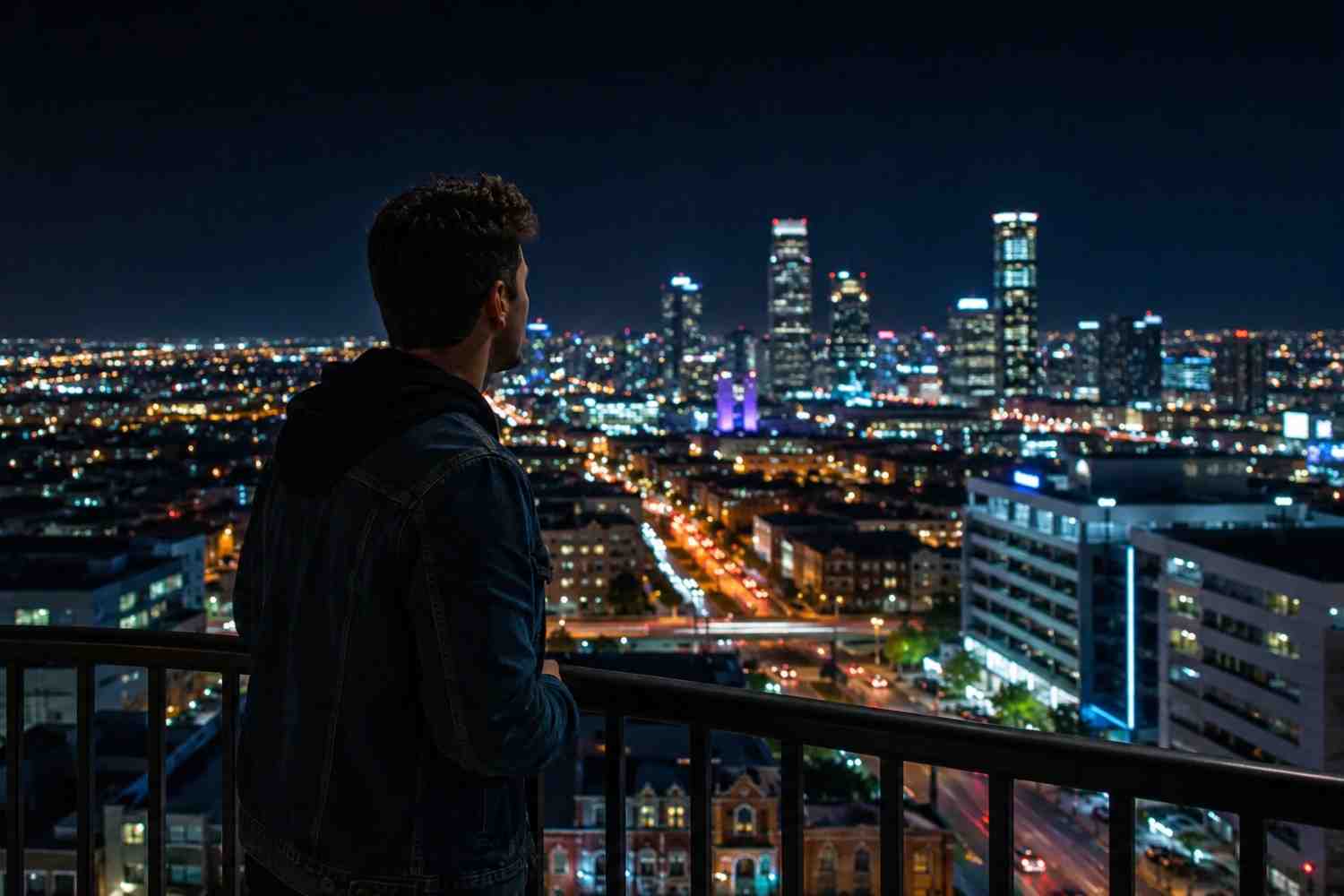
For generations, the standard blueprint of city life was dictate by the sun. Cities hustled and bustled from nine to five, packed with commuters, shoppers, and tourists navigating crowded sidewalks under the midday glare. But recently, a distinct cultural shift has taken hold. As daytime temperatures rise and urban landscapes become increasingly congested, a new generation of explorers is waiting for the sun to go down before stepping outside.
Exploring the city after dark is no longer just for traditional club-goers or late-night party crowds. From night markets and illuminated art installations to late-night cafes and evening architectural walks, the post-sunset urban landscape offers an entirely different energy. It provides a sensory experience that is calmer, more visually stunning, and highly rewarding for those willing to shift their schedules.
The modern nocturnal movement is reshaping how we interact with public spaces. Here is a look at why more people are choosing to become night owls and explore the city after dark.
1. Escaping the Sensory Overload of Daytime Crowds
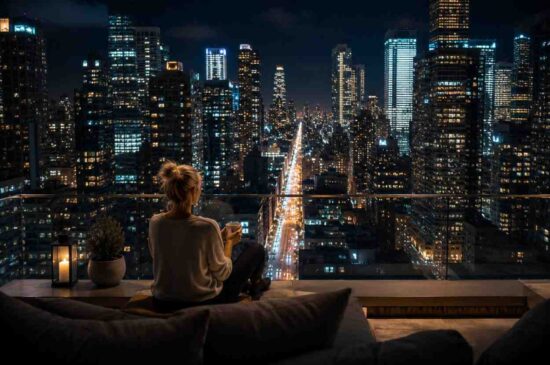
During the day, major cities can feel like a sensory assault. The blaring sirens, aggressive traffic, packed subway cars, and sea of pedestrians can easily trigger stress rather than curiosity. For many, navigating a popular downtown district at noon feels less like an adventure and more like an exhausting chore.
After dark, the city inhales. The frantic pace slows down significantly, transforming chaotic thoroughfares into open, peaceful walkways. Foot traffic thins out, allowing urban explorers to actually look up and appreciate the architecture, historical storefronts, and pocket parks that are usually obscured by daytime crowds. This reduction in environmental noise creates a meditative atmosphere, making nighttime exploration a preferred method of unwinding.
2. The Allure of Dramatic Urban Aesthetics
Cities undergo a breathtaking visual transformation when the streetlights flick on. The harsh reality of concrete and glass softens under the glow of neon signs, architectural uplighting, and glowing store windows. Photographers, artists, and casual strollers alike are drawn to this dramatic shift in ambiance, which makes familiar streets feel entirely new and mysterious.
Many municipalities have recognized this trend, investing heavily in public light festivals, illuminated botanical gardens, and interactive evening art trails. Bridges, fountains, and historical monuments are frequently treated as canvases for vivid projection mapping displays. Walking through a metropolis at night feels akin to walking through an outdoor, living museum where the lighting design dictates the mood.
3. A Thriving Culinary Scene Beyond Standard Dinners
The midnight snack has evolved into a sophisticated culinary subculture. Food lovers are increasingly skipping the rigid, rushed structures of prime-time dinner reservations in favor of late-night dining. Night markets packed with artisanal food trucks, dessert-only lounges, and hidden speakeasies are driving the nocturnal economy forward.
Whether you are seeking a high-end nightcap or a casual midnight bite, late-night venues foster a relaxed, unhurried environment. It is the perfect time to visit a local gateway pub and grill to sample craft beers and share a plate of loaded fries with friends without feeling the pressure of a ticking clock or an impatient host waiting to flip your table. This laid-back approach to dining makes late-night food crawls an incredibly attractive social activity.
4. Lower Temperatures and Climate Adaptation

It is impossible to discuss the rise of nighttime exploration without addressing changing global weather patterns. Summer afternoons in major metropolitan areas can feature oppressive heat, intensified by the urban heat island effect—where concrete and asphalt trap heat during the day.
Faced with scorching midday temperatures, city dwellers are naturally adapting by staying indoors during peak sunlight hours. Once the sun dips below the horizon and the evening breeze sets in, public squares, rooftop terraces, and riverfront boardwalks come alive with people seeking comfortable outdoor recreation. The night has practically become the new daytime for summer leisure.
5. Deeper Social Connections in Casual Settings
Daytime social interactions are often bound by schedules, deadlines, and lingering professional obligations. We meet for a quick lunch before rushing back to the office, or we squeeze in a coffee date between weekend errands. The night carries an inherent sense of free, unstructured time.
When people gather in the evening, the psychological weight of the workday disappears. Conversations stretch out, laughter gets a little louder, and groups feel more comfortable wandering from one neighborhood destination to another. Exploring a city at night fosters shared spontaneity, turning a simple evening walk into a memorable bonding experience. For many people, these relaxed evening outings have also become part of their personal wellness routines and ways to look refreshed after spending long hours indoors or working through busy daytime schedules.
The city after dark is far more than a place of quiet streets and closed office doors. It is a vibrant, evolving ecosystem that offers a sanctuary from daytime chaos, an artistic showcase of light and shadow, and a communal hub for nocturnal foodies and explorers.
By stepping outside after the sun sets, you open the door to a completely different urban narrative—one defined by comfort, curiosity, and connection. So, the next time you are looking to truly experience your local metropolis, skip the midday rush. Wait for the neon lights to flicker to life, step out into the evening breeze, and discover the hidden magic of the city at night.