





When people think about deep cleaning their homes, the standard tasks usually come to mind. Sweeping the floors, wiping down the kitchen counters, and scrubbing the bathroom tile are regular parts of most cleaning routines. However, a residential property contains dozens of hidden nooks, mechanical components, and structural areas that quietly collect dust, grime, and moisture over time.
Ignoring these spots does more than create an untidy environment. It can actively degrade your indoor air quality, compromise the efficiency of your appliances, and even cause severe structural damage. Addressing these seven overlooked areas immediately will keep your household running smoothly and safely.
1. Behind and Beneath Heavy Major Appliances
The spaces underneath the refrigerator, oven, and washing machine are notorious magnets for dust bunnies, pet hair, and dropped food particles. Because these appliances are heavy and difficult to move, they are rarely disturbed during a standard weekly cleaning. While these hidden areas do not need constant attention, maintaining simple daily routines can help keep the rest of your home under control.
5 Morning Habits That Make Homes Feel Cleaner include making the bed, putting away items after use, wiping down kitchen counters, loading or unloading the dishwasher, and doing a quick clutter check before starting the day. These small habits reduce mess buildup, making it easier to focus on deeper cleaning tasks—such as tackling the hard-to-reach spaces beneath large appliances—when the time comes.
Over the months, the accumulation of debris restricts airflow around the appliance motors, forcing them to work much harder to operate. This extra strain reduces their operational lifespan and increases utility costs. Pull these units away from the wall at least twice a year to vacuum the coils and scrub the flooring beneath them.
2. The Internal Mechanics of the Dishwasher
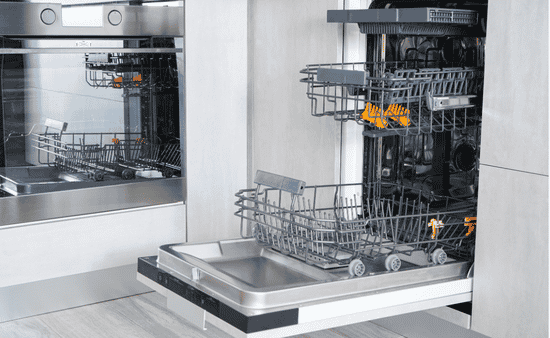
Many homeowners assume that because a dishwasher handles soap and hot water every day, it automatically cleans itself. In reality, food particles, grease, and hard water minerals accumulate in the filter, spray arms, and rubber door seals.
A clogged filter restricts water drainage, leaving a filmy residue on your dishes and creating a breeding ground for unpleasant odors and mold. To fix this, remove the bottom rack, pull out the cylinder filter, and rinse it thoroughly under hot running water. Wiping the rubber seals with vinegar prevents leaks and maintains a tight door seal.
3. Window Tracks and Sliders
While wiping down window glass is common, the tracks at the bottom of the frame are frequently neglected. These narrow channels accumulate outdoor dust, dead insects, pollen, and condensation.
When moisture mixes with accumulated dirt in a tight space, mold growth thrives. Furthermore, a buildup of grime makes windows difficult to open and close, which can damage the sliding mechanisms over time. Use a stiff brush to loosen the debris, vacuum the track using a crevice tool, and wipe the tracks clean with a damp cloth.
4. Dryer Vents and Exhaust Ducts
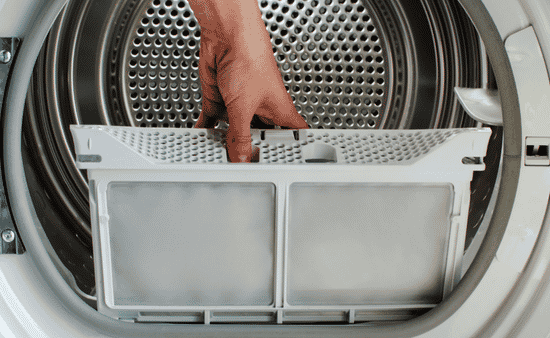
Cleaning the lint trap after every load of laundry is an excellent habit, but it only catches a fraction of the debris. Fine lint particles bypass the screen and settle inside the exhaust duct that leads outside the house.
A blocked dryer vent restricts airflow, causing clothes to take twice as long to dry. More importantly, accumulated lint is highly flammable, making clogged dryer ducts a leading cause of residential fires. Detach the duct from the back of the machine annually and use a specialized flexible brush to remove the packed lint all the way to the exterior exit vent.
5. Heating and Cooling Vents and Registers
Air vents and return grilles constantly pull and push air throughout your home. As a result, the slatted covers quickly accumulate a thick layer of static dust and airborne allergens.
When the heating or cooling system activates, it blows these loose particles back into your living spaces, aggravating respiratory issues and triggering allergies. Unscrew the vent covers, wash them in warm soapy water, and vacuum inside the accessible portion of the ductwork to keep your indoor air fresh.
6. The Tops of Door Frames, Moldings, and Light Fixtures

Dust naturally settles on flat surfaces, but the areas above eye level are easily forgotten. The tops of interior door frames, window moldings, ceiling fan blades, and tall light fixtures collect massive amounts of debris over time.
Every time a door slams or a ceiling fan spins, a shower of fine dust particles scatters down into the room below. Utilizing a long-handled microfiber duster allows you to clear these high perches without needing a ladder.
7. Exterior Roof Drainage Systems
Indoor cleanliness is vital, but exterior maintenance areas directly impact the health of your home structure. The channels responsible for collecting and diverting rainwater away from the building accumulate leaves, twigs, and roofing granules every season.
When these systems clog, water spills over the edges, rotting the wooden fascia boards and pooling at the foundation. If the existing system is warped, rusting, or pulling away from the house, cleaning alone will not suffice. Property owners often need to schedule a new rain gutter installation in Salt Lake City to guarantee that heavy snowmelt and seasonal downpours drain away safely without threatening the integrity of the basement.