





The opening of a new manufacturing plant is often celebrated with a ribbon-cutting ceremony—a moment of triumph that signals the beginning of production and economic contribution.
However, for the engineers, project managers, and industrial contractors involved, that moment is the culmination of months, or even years, of meticulous planning and technical execution. Opening a plant is not merely about erecting a building; it is about synchronizing a dozen specialized trades into a single, functional organism capable of sustained industrial output.
The Foundation of Industrial Success
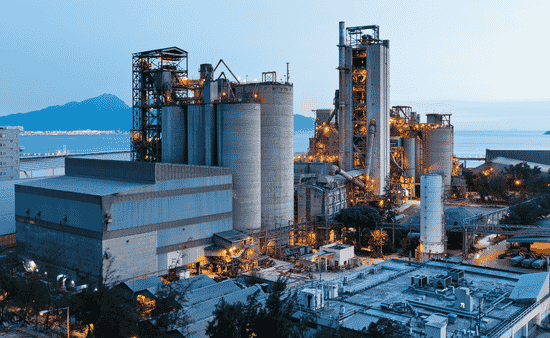
Before the first piece of equipment can be bolted to the floor, the site itself must be transformed. Industrial construction begins with heavy-duty excavation and site preparation. This phase is critical because manufacturing environments often house massive machinery that exerts thousands of pounds of pressure per square inch. Standard foundations simply will not suffice.
Experts must handle heavy earth-moving with precision, preparing the terrain to establish a rock-solid foundation for the upcoming build. This involves not just leveling the ground, but also trenching for complex underground utility connections, including water, power, and industrial waste lines.
Once the site is prepared, industrial-grade concrete work follows, creating durable foundations, equipment pads, and footings specifically designed to support the dynamic loads of manufacturing operations.
Integrating the Mechanical Lifeblood
With the shell of the building in place, the focus shifts to the infrastructure that sustains the manufacturing process. A modern factory requires a robust network of piping and power transmission systems. Fluid and gas transport—whether it be compressed air, process fluids, or gases—act as the lifeblood of many industrial operations.
Custom engineering and fabrication are required to install piping networks that meet the unique pressure and material requirements of the specific industry. Simultaneously, power transmission systems must be installed and aligned.
Ensuring these mechanical components run smoothly is essential for continuous production and for reducing energy loss across the entire operation. This integration requires a high degree of coordination between civil construction and mechanical systems to avoid delays and maintain quality control.
The Precision Layer: Machinery and Alignment
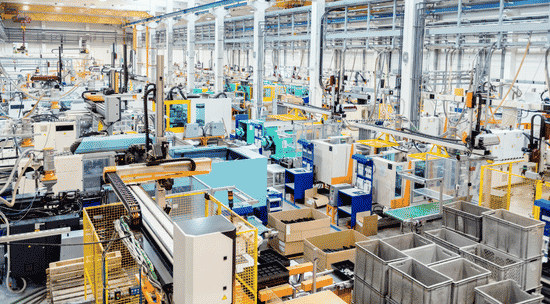
The defining moment of any plant build-out is the arrival of the production equipment itself. This is a high-stakes operation where assets worth millions of dollars must be moved, positioned, and calibrated. Transporting and positioning massive industrial equipment requires advanced rigging techniques and meticulous logistical planning.
Securing reliable millwright services in Utah is crucial for ensuring that every piece of heavy machinery is leveled and aligned to within a fraction of an inch, as even minor misalignments can lead to catastrophic equipment failure or excessive wear.
Expert millwrights handle the exact alignment and anchoring of heavy-duty machinery, ensuring that manufacturing lines function perfectly from day one. This phase often involves custom metal work and structural welding to fabricate the specific brackets, supports, and platforms needed for a bespoke production line.
Operational Readiness and Safety
The final steps before the “factory gate” opens involve rigorous testing and the establishment of a proactive maintenance culture. Industrial facilities demand consistent, high-level maintenance to stay safe and operational. This includes equipment commissioning—where pumps, motors, conveyors, and production lines are put through operational testing to identify any flaws in the integration.
Proactive facility and equipment maintenance services are designed to reduce future downtime and keep operations running at peak performance. From checking welding repairs to inspecting structural upgrades, the goal is to prevent costly shutdowns before they happen. Only when every system is verified, every safety protocol is in place, and every machine is calibrated can the plant truly be considered open for business.
Conclusion
Opening a manufacturing plant is a feat of industrial choreography. It requires a partner who can manage everything from initial planning and permitting to final execution.
By coordinating civil construction, mechanical systems, and specialized trades like rigging and welding, developers can ensure their facility is built for the long-term demands of the industrial market. The gate may open with a ribbon, but it stays open through the strength of the expertise built into its very foundation.