




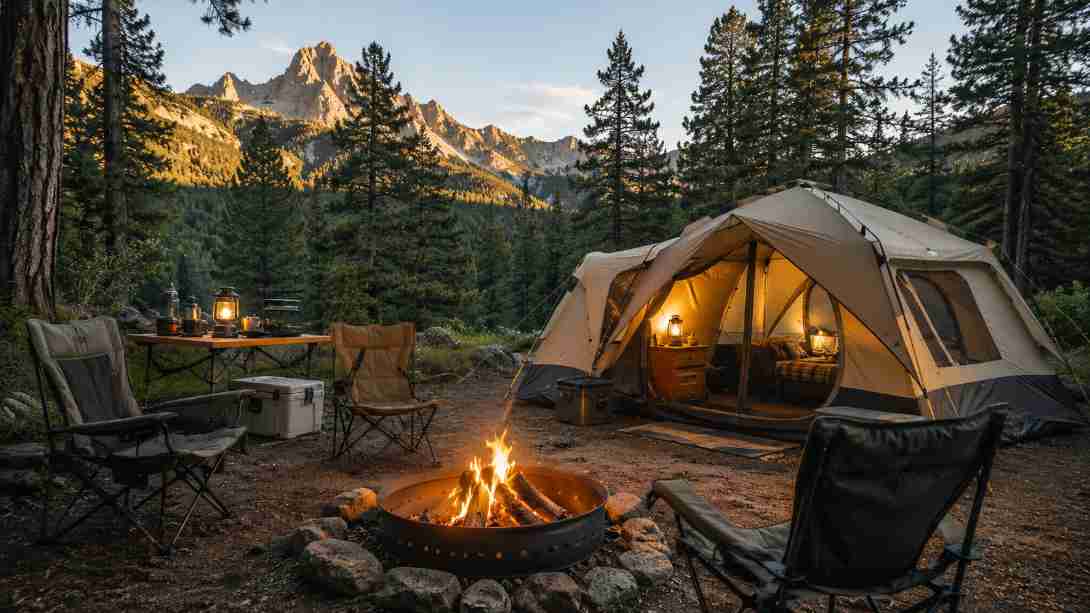
Camping as a family creates cherished memories, fostering a lifelong love for nature and quality time together. The right setup is crucial for a comfortable experience, transforming a simple trip into an unforgettable adventure.
This guide explores various family camping setups, offering insights into choosing shelters and gear to ensure excursions are fun and safe for everyone.
Choosing the Right Family Tent
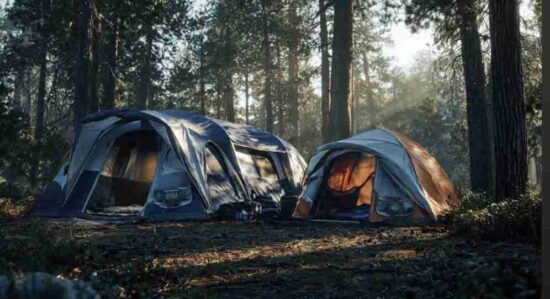
A successful camping trip starts with an excellent shelter. Your tent serves as your home base, protecting you from the elements and a cozy place to rest after a long day of outdoor exploration.
Types of Family Tents
When selecting a shelter, families typically choose between cabin-style and dome-style designs. Cabin tents feature near-vertical walls, maximizing interior space and allowing most adults to stand up straight.
This design is highly beneficial when you need to change clothes or manage young children. Dome tents, on the other hand, are highly resilient in windy conditions and generally easier to assemble, though they sacrifice some headroom. For larger families, multi-room tents offer physical dividers, providing privacy and designated sleeping areas for parents and children.
Tent Features for Comfort and Convenience
Size is just one factor to consider when evaluating your options. Always look for a shelter with a high weather resistance rating, including a full-coverage rainfly and sealed seams to keep moisture out. Multiple doors prevent campers from climbing over one another during late-night bathroom trips. Additionally, internal storage pockets and gear lofts are invaluable for keeping small items like flashlights, bug spray, and personal belongings organized and off the floor.
Essential Sleeping Gear for All Ages
Sleeping well in the woods dictates the mood for the entire following day. Investing in appropriate sleeping gear ensures everyone wakes up refreshed and ready for new activities.
Sleeping Bags and Pads for Kids and Adults
Temperature ratings on sleeping bags are essential. Choose bags rated for temperatures slightly lower than the coldest weather you expect to encounter.
Rectangular bags offer more room to move, making them ideal for restless sleepers, while mummy bags retain heat more efficiently for cold-weather trips. Beneath the sleeping bag, a quality sleeping pad is critical. Foam pads provide basic insulation, while self-inflating pads offer a thicker barrier against the cold, hard ground, significantly improving overall rest.
Air Mattresses and Cots for Extra Comfort
For families prioritizing comfort, air mattresses and folding cots are excellent upgrades. A thick air mattress mimics the feel of a traditional bed, though it requires a battery-powered pump for inflation. Cots elevate you entirely off the ground, providing exceptional support and allowing for extra storage space underneath.
If you use a cot, remember to place an insulated pad on top, as cold air circulating beneath can draw body heat away during the night.
Cooking and Dining in the Wild
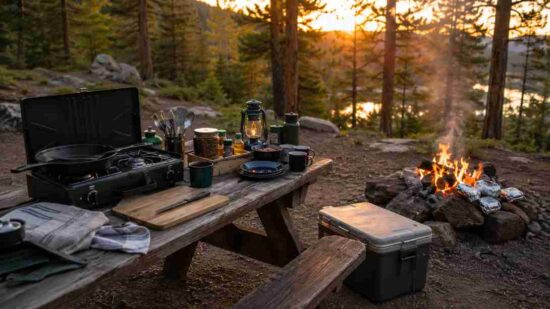
Food simply tastes better outside. Establishing a functional camp kitchen makes meal preparation enjoyable rather than a frustrating chore.
Portable Kitchen Setups
A dedicated cooking station keeps your culinary efforts organized. Portable kitchen stands often feature foldable countertops, built-in sinks, and storage racks for utensils and spices. Utilize a sturdy two-burner camping stove to boil water quickly and simmer meals simultaneously.
To keep perishables fresh, invest in a high-quality, heavily insulated cooler. Organize the cooler with frozen water jugs at the bottom, placing meats directly above them and delicate items like produce and eggs near the top to prevent crushing.
Campfire Cooking Essentials
Cooking over an open flame provides a traditional and exciting camping experience. Pack heavy-duty aluminum foil for wrapping potatoes, vegetables, or fish before placing them directly into the hot coals.
A cast-iron skillet or Dutch oven is remarkably versatile, capable of baking bread, simmering stews, or frying morning eggs. Don’t forget a set of long-handled tongs, heat-resistant gloves, and roasting sticks for marshmallows and hot dogs, ensuring everyone can participate in the cooking process safely.
Entertainment and Activities for Family Fun
The best camping trips balance relaxation with engaging activities that pull everyone away from their daily routines and digital screens. For families who enjoy flexible travel, outdoor stays can also inspire future trips to cities for digital nomads where work, adventure, and lifestyle come together in one destination.
Games and Nature Exploration
Pack a variety of outdoor games that require minimal setup, such as frisbees, a lightweight soccer ball, or a ring toss set. Nature exploration is inherently engaging for children. Equip them with small magnifying glasses, binoculars, and a local field guide to identify birds, bugs, and plant life.
Setting up a simple nature scavenger hunt encourages kids to observe their surroundings closely, searching for specific leaf shapes, smooth rocks, or animal tracks around the campsite.
Evening Activities and Stargazing
As the sun sets, the campsite takes on a magical atmosphere. Gather around the fire for storytelling, singing songs, or playing acoustic instruments. Once the fire dies down, spread a large blanket in an open clearing for stargazing.
Far away from city lights, the night sky is incredibly vibrant. Teach your children how to locate major constellations or simply watch for shooting stars, creating quiet, awe-inspiring moments before bedtime.
Safety and Preparedness
Nature is unpredictable, and prioritizing safety ensures that minor inconveniences do not turn into trip-ruining emergencies.
First Aid and Emergency Supplies
A comprehensive first aid kit is non-negotiable. Stock it with various bandages, antiseptic wipes, antibiotic ointment, tweezers for splinters or ticks, and over-the-counter pain relievers. Additionally, carry allergy medications and any necessary personal prescriptions.
Beyond medical supplies, your emergency kit should include a multi-tool, a whistle, a reliable fire starter, and headlamps with extra batteries to ensure you can navigate the campsite safely in the dark.
Weather Preparedness and Packing Tips
Always check the forecast before departing, but pack for unexpected changes. Layering is the most effective way to manage body temperature. Bring moisture-wicking base layers, insulating mid-layers, and waterproof outer shells.
Pack extra socks and sturdy, broken-in footwear to prevent blisters during hikes. When packing your vehicle, load heavy gear first and keep essential items like rain jackets, snacks, and the first aid kit easily accessible near the top or doors.
Setting Up Your Campsite Like a Pro
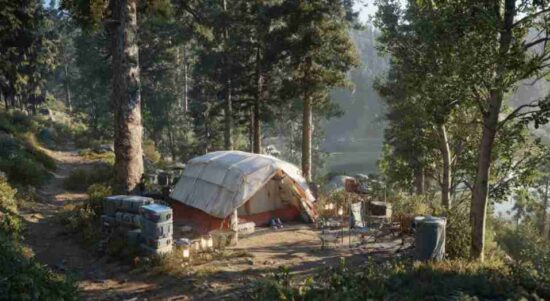
Arriving at your destination is exciting, but taking the time to set up your site efficiently will save you significant headaches later. Families who camp often start noticing which outdoor-friendly regions feel livable beyond a weekend trip, especially since more travel destination becoming real estate hotspots attract buyers looking for lifestyle, scenery, and long-term value
Optimal Layout for Family Camping
Survey your site before unpacking. Identify the flattest, most debris-free area for your tent, ensuring it is positioned away from low-lying spots where rainwater might collect. Keep the sleeping area distinct from the cooking and eating zones to prevent food odors from attracting wildlife to your tent.
If you are towing a pop-up camper toy hauler, position it so the doors and awnings face the central gathering area, maximizing your usable outdoor living space while providing easy access to stored bicycles or kayaks.
Maintaining a Clean and Organized Site
A tidy campsite is a safe and pleasant campsite. Enforce a strict “leave no trace” policy within your family. Set up a dedicated trash and recycling station immediately upon arrival, using secure receptacles to deter animals.
Wash dishes promptly after meals, disposing of strained wastewater at least 200 feet from natural water sources. By keeping gear packed away when not in use and securing all food in vehicles or bear-safe containers overnight, you maintain a harmonious environment for both your family and the local wildlife.
Conclusion
Creating the ideal family camping setup unlocks the full potential of your outdoor adventures. By carefully considering your tent, sleeping arrangements, cooking needs, and activities, you ensure every trip is memorable. Prioritizing safety and smart site management further enhances the experience, allowing your family to fully immerse in nature. Embrace the journey together.