





Physical therapy is a dynamic and deeply rewarding healthcare profession dedicated to improving movement, reducing pain, and restoring function in patients of all ages. Whether a patient is recovering from a sports injury, managing a chronic condition, or rehabilitating after a major surgery, physical therapists (PTs) serve as the primary architects of their physical recovery. For those looking to combine a passion for science with a desire to help others, a career in physical therapy offers both professional stability and a profound sense of purpose.
Understanding the Role of a Physical Therapist
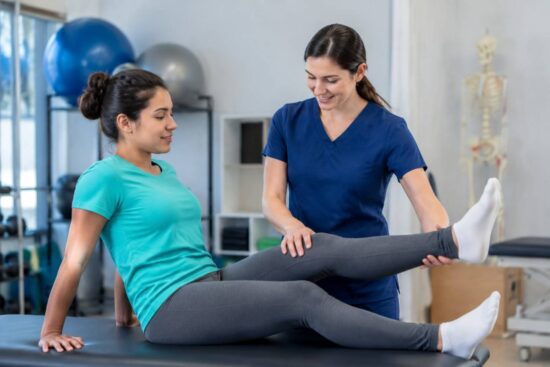
A physical therapist is a movement expert. They diagnose and treat individuals whose movement is limited by injury, disease, or aging. Unlike some medical roles that focus primarily on pharmaceutical interventions, PTs utilize a holistic blend of manual therapy, guided exercise, and patient education, promoting overall rejuvenating mind and body.
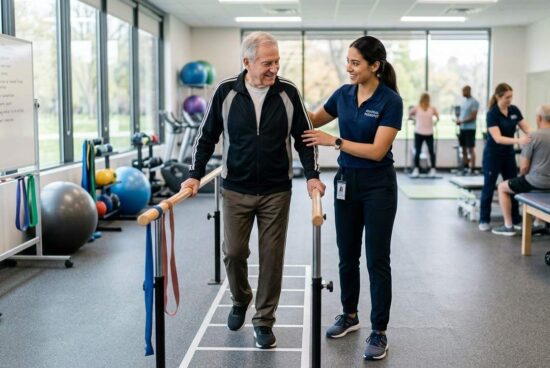
On a typical day, a PT might conduct an initial evaluation to assess a patient’s range of motion, strength, and balance. Based on these findings, they develop a personalized treatment plan. This plan isn’t just a list of exercises; it is a roadmap to help the patient regain independence and return to the activities they love.
The Educational Journey
The path to becoming a physical therapist is rigorous and requires significant dedication. In the United States, you must obtain a Doctor of Physical Therapy (DPT) degree from a program accredited by the Commission on Accreditation in Physical Therapy Education (CAPTE).
Undergraduate Foundations
Before applying to a DPT program, students typically complete a bachelor’s degree. While no specific major is required, most students choose fields like kinesiology, biology, or exercise science. It is essential to focus on prerequisite courses in anatomy, physiology, physics, chemistry, and psychology.
Doctoral Training
A DPT program usually lasts three years. The curriculum covers a broad spectrum of medical sciences, including biomechanics, neuroanatomy, and pharmacology. A critical component of this education is clinical rotations, where students gain hands-on experience under the supervision of licensed professionals in various settings.
Licensing and Certification
After graduating, the final hurdle is the National Physical Therapy Examination (NPTE), administered by the Federation of State Boards of Physical Therapy (FSBPT). Passing this exam is required for licensure in all states. Once licensed, many PTs choose to pursue board certification through the American Board of Physical Therapy Specialties (ABPTS) to demonstrate expertise in areas like orthopedics, neurology, or pediatrics.
Expanding Horizons in Holistic Care
As the healthcare landscape evolves, the line between traditional rehabilitation and systemic wellness is becoming increasingly blurred. Modern physical therapists are recognizing that movement is only one piece of the health puzzle.
To provide truly comprehensive care, some practitioners are integrating insights from nutrition and biochemistry into their practice. This is where the intersection of rehabilitation and functional medicine becomes vital. Professionals who seek out functional medicine practitioner training are better equipped to understand how systemic inflammation, gut health, and hormonal balances impact a patient’s ability to recover from musculoskeletal injuries. By looking at the “whole person,” these therapists can address the underlying biological factors that might be slowing down a patient’s progress on the treatment table.
Diverse Career Settings
One of the most attractive aspects of a physical therapy career is the variety of environments in which you can work.
- Hospitals: Focusing on acute care and helping patients regain mobility immediately after surgery or illness.
- Private Clinics: Often specializing in outpatient orthopedics and sports medicine.
- Home Health: Providing care in the patient’s own environment, which is common for geriatric or post-surgical patients.
- Schools: Helping children with developmental delays or physical disabilities succeed in an educational setting.
- Sports Facilities: Working with elite athletes to prevent injuries and optimize performance.
Essential Skills for Success

Beyond academic knowledge, a successful PT needs strong interpersonal skills. Empathy and communication are paramount; you are often working with people who are in pain or frustrated by their physical limitations. You must be an active listener and a motivational coach. Additionally, the job is physically demanding, requiring you to be on your feet for long periods and capable of assisting patients with mobility.
Job Outlook and Salary
The demand for physical therapists continues to grow as the baby boomer population ages and the prevalence of chronic conditions like diabetes and obesity increases. This ensures a high level of job security. While salaries vary by location and experience, the profession generally offers a competitive compensation package that reflects the high level of education required.
In Conclusion
Choosing a career in physical therapy means committing to a lifetime of learning and service. It is a field that rewards curiosity and rewards those who are willing to look beyond symptoms to find long-term solutions for their patients. Whether you are interested in the mechanics of the human body or the complex biological systems addressed in specialized training, physical therapy provides a foundation for a versatile and impactful career in the modern medical world.