




For decades, the standard vision of retirement was one of absolute leisure—sitting on a porch, watching television, and enjoying a calendar completely free of obligations. While a few weeks of pure relaxation feel incredible after a lifetime of hard work, an endless stretch of empty days can quickly lose its charm.
Many retirees find themselves facing an unexpected challenge: a sudden loss of identity, structure, and daily purpose. The transition away from a fast-paced career can sometimes trigger feelings of isolation or restlessness.
This is exactly where personal passions and activities step in. Engaging in a meaningful pastime is not just a way to kill time; it is a vital ingredient for a vibrant, healthy, and fulfilling life. Here are five profound ways hobbies transform your golden years for the better.
1. Restoring a Sense of Structure and Purpose
Having a hobby gives you a concrete reason to get out of bed with enthusiasm. Whether you are waiting for a glaze to dry on a ceramic pot, tracking the growth of heirloom tomatoes, or practicing a new song on the guitar, these pursuits create micro-goals.
Achieving these small milestones triggers a sense of pride and accomplishment that closely mimics the satisfaction of a successful workday, keeping your mind focused and forward-looking.
2. Boosting Cognitive Health and Mental Sharpness

The brain operates much like a muscle—if you do not challenge it regularly, its agility can begin to fade. Hobbies that require problem-solving, fine motor skills, or memory recall act as excellent workouts for your gray matter.
Learning a foreign language, playing chess, woodworking, or mastering strategy games forces your brain to build new neural pathways. This continuous mental engagement has been shown to improve memory retention, sharpen focus, and significantly delay the onset of age-related cognitive decline.
3. Combating Isolation Through Vibrant Social Communities
One of the biggest hidden risks of leaving the workforce is the sudden shrinkage of your social circle. Work naturally provides built-in daily interactions, and losing that network can lead to feelings of loneliness.
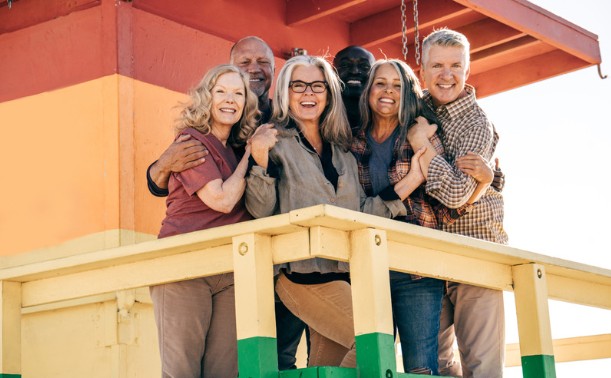
Hobbies serve as an incredible bridge to new friendships because they instantly connect you with people who share your specific passions. Joining a local book club, a painting class, or an amateur sports league introduces you to an active retirement lifestyle full of peer support.
For instance, millions of older adults have turned to court sports to stay connected. Jumping into a local league can ignite a playful competitive spirit, with many players progressing from casual neighborhood matches all the way up to watching or qualifying for prestigious events like the World Pickleball Championship. These shared spaces create tight-knit communities where you can bond over strategy, share laughs, and build deep, lasting relationships.
4. Enhancing Physical Strength and Joint Mobility

Staying sedentary is one of the fastest ways to accelerate physical aging. Fortunately, many post-career pastimes naturally encourage movement without feeling like a chore.
Activities like swimming, golfing, hiking, yoga, or even ballroom dancing get your heart pumping and blood flowing. Consistent, low-impact physical activity improves your cardiovascular endurance, strengthens your core muscles, and keeps your joints flexible. The stronger and more mobile you remain, the easier it is to maintain your independence and enjoy your daily life to the absolute fullest.
5. Reducing Stress and Cultivating Mindful Presence
Throughout our working lives, our minds are constantly racing with worries about deadlines, finances, and family responsibilities. Retirement is supposed to be a time of peace, yet anxiety can still creep in.
Immersing yourself in a creative or tactile hobby—like knitting, sketching, baking, or fly-fishing—induces a psychological state known as “flow.” This is a state of deep concentration where your worries fade into the background and you become entirely anchored in the present moment. This mindful focus acts as a natural stress reliever, lowering cortisol levels and fostering a profound sense of inner calm.
Conclusion
Retirement should never be viewed as the closing chapter of your productivity, but rather as the ultimate grand opening for your personal growth. It is a rare, hard-earned gift of time that allows you to explore the curiosities you had to put on hold during your busy career years.
By actively pursuing hobbies that challenge your mind, move your body, and connect you with a passionate community, you protect your health and amplify your daily happiness. The secret to a truly wealthy retirement isn’t just about the size of your savings account; it is about the richness of the passions you choose to pursue every single day.