





Commercial real estate investment presents lucrative opportunities for those who understand how to evaluate properties effectively. Successful investors do not rely on intuition alone. Instead, they conduct rigorous analysis of financial metrics, market conditions, and physical property aspects. Understanding these core evaluation principles is critical for long-term profitability.
Key Financial Metrics and Analysis
Financial performance serves as the foundation of any commercial real estate acquisition. Investors meticulously evaluate quantitative data to determine whether a property aligns with their profitability expectations and risk tolerance. This numerical analysis provides a clear, objective picture of a property’s current value and future potential and this why flexible planning matters.
Net Operating Income
Net Operating Income represents the total revenue generated by a property minus all operating expenses. This metric excludes debt service and income taxes, providing a pure look at the property’s operational efficiency. Investors scrutinize rent rolls, ancillary income streams, and historical operating expenses to project future income accurately. A stable or growing net operating income is a strong indicator of a healthy, well-managed commercial asset.
Capitalization Rate
The capitalization rate, commonly known as the cap rate, is calculated by dividing the property’s net operating income by its current market value or purchase price. This percentage represents the expected rate of return on an all-cash investment.
Investors use cap rates to compare different properties across various markets. A lower cap rate typically indicates a higher-value property with lower perceived risk, while a higher cap rate often signals higher risk but potentially greater returns.
Cash-on-Cash Return
While the cap rate assumes an all-cash purchase, most commercial real estate transactions involve leverage. The cash-on-cash return measures the annual pre-tax cash flow divided by the actual amount of initial cash invested. This metric is crucial for investors who use financing, as it reveals the exact yield they will receive on their out-of-pocket capital during the first year of ownership.
Market Analysis and Location Dynamics

A property cannot be evaluated in a vacuum. Its success is intrinsically tied to the surrounding environment. Investors conduct comprehensive market analyses to ensure the asset is situated in an area poised for sustained economic stability and growth.
Local Economic Indicators
Smart investors study the macroeconomic health of the surrounding city or region. They look for diverse local economies rather than those dependent on a single industry. High employment rates, robust job creation, and substantial infrastructure investments all signal a thriving local economy.
An area experiencing positive economic momentum will naturally drive demand for commercial spaces, whether they are retail centers, office buildings, or industrial warehouses.
Demographics and Growth Trends
Understanding the local population is vital. Investors analyze population growth, average age, education levels, and household income. For retail properties, a growing population with high disposable income is highly desirable.
For industrial properties, proximity to a dense population center might be necessary for final-mile delivery logistics. Tracking demographic shifts allows investors to anticipate future demand and adjust their property utilization accordingly.
Property Location and Accessibility
The age-old adage of “location, location, location” holds in commercial real estate. Investors look at a property’s visibility from major roadways, ease of access, and proximity to public transportation.
A property located on a busy corner with clear ingress and egress will command higher rents and attract higher-quality tenants than a similar building tucked away in an inaccessible industrial park.
Property Due Diligence and Risk Assessment

Before finalizing a transaction, investors must uncover any hidden physical, legal, or environmental liabilities. Comprehensive due diligence protects capital and prevents unexpected financial burdens down the road.
Physical Condition and Inspections
Investors deploy teams of specialists to examine the structural integrity and mechanical systems of a building. This includes inspecting the roof, HVAC systems, plumbing, and electrical foundations. Knowing the remaining useful life of these systems allows investors to accurately budget for future capital expenditures.
Whether consulting a structural engineer or a commercial appraiser in Utah, investors rely on local experts to determine the true physical state of the asset.
Environmental Considerations
Environmental liabilities can be financially devastating. Phase I Environmental Site Assessments are standard practice in commercial real estate. These assessments research the historical use of the property to identify potential soil or groundwater contamination.
If a Phase I assessment raises red flags, a Phase II assessment involving physical soil testing is conducted. Investors will rarely proceed with a purchase if significant environmental remediation is required, unless the purchase price is adjusted to reflect those immense costs.
Legal and Regulatory Framework
Zoning laws and land-use regulations dictate what can and cannot be done with a property. Investors must confirm that their intended use for the building complies with local zoning codes. Additionally, they review title reports to uncover any easements, encroachments, or liens that could restrict property usage or cloud ownership rights.
Lease Agreements and Tenant Quality
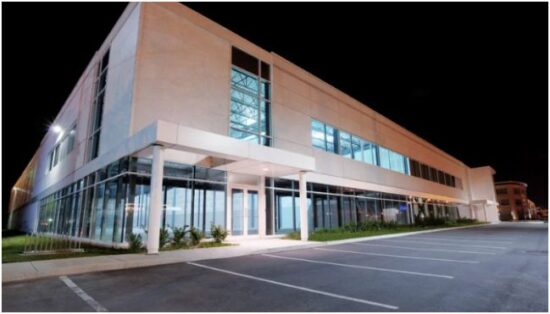
In commercial real estate, the value of a property is heavily dependent on the quality of its tenants and the strength of its leases. Investors spend significant time reviewing existing tenant agreements.
Lease Structures and Terms
Investors analyze the specific structure of the leases in place. Triple Net leases, where the tenant is responsible for property taxes, insurance, and maintenance, are often favored by investors seeking passive income. Conversely, gross leases place the burden of operating expenses on the landlord.
The remaining duration of the leases is also critical; properties with long-term leases locked in offer immediate stability, whereas properties with expiring leases present both a risk of vacancy and an opportunity to raise rents to market rates.
Tenant Creditworthiness
A lease is only as strong as the tenant’s ability to pay. Investors scrutinize the financial health of the businesses occupying the property. National tenants with strong corporate guarantees offer immense security, whereas local, independent operators might present a higher risk of default during an economic downturn.
Vacancy Rates and Turnover
Historical vacancy rates provide insight into the property’s desirability. High turnover or prolonged periods of vacancy often indicate underlying issues with property management, location, or building condition.
Investors prefer properties with a history of high occupancy and strong tenant retention, as finding new tenants requires significant capital for leasing commissions and tenant improvements.
Financing and Investment Strategy
Finally, the acquisition must align with the investor’s broader portfolio strategy and financing capabilities. The capital stack and the long-term plan for the asset dictate the ultimate success of the venture.
Debt vs. Equity Financing
Investors must decide how to fund the acquisition. They evaluate current interest rates, loan-to-value requirements, and amortization schedules. Securing favorable commercial debt increases the cash-on-cash return, but over-leveraging a property can lead to foreclosure if tenant income drops unexpectedly. Finding the optimal balance between debt and equity is a fundamental step in the acquisition process.
Investment Horizons and Exit Strategies
Every seasoned investor enters a deal with a clear exit strategy. Some investors seek steady, long-term cash flow and plan to hold the property indefinitely for retirement benefits.
Others employ value-add strategies, planning to renovate the property, increase rents, and sell the asset for a substantial profit within five years. Defining this strategy upfront dictates how the property will be managed and financed throughout the holding period.
Conclusion
Purchasing commercial property requires careful consideration of numerous variables, from detailed financial metrics to comprehensive physical inspections.
By systematically evaluating market conditions, tenant quality, and overall risk, investors position themselves for sustained financial success. Strategic preparation remains the ultimate key to building a resilient portfolio.