



Owning or managing a residential property comes with a continuous list of maintenance responsibilities. Most household issues—a slow-draining sink, a temperamental light switch, or a cracked window pane—are minor inconveniences that can easily be scheduled for repair during normal business hours. They do not threaten the structural integrity of the building or the immediate safety of its occupants.
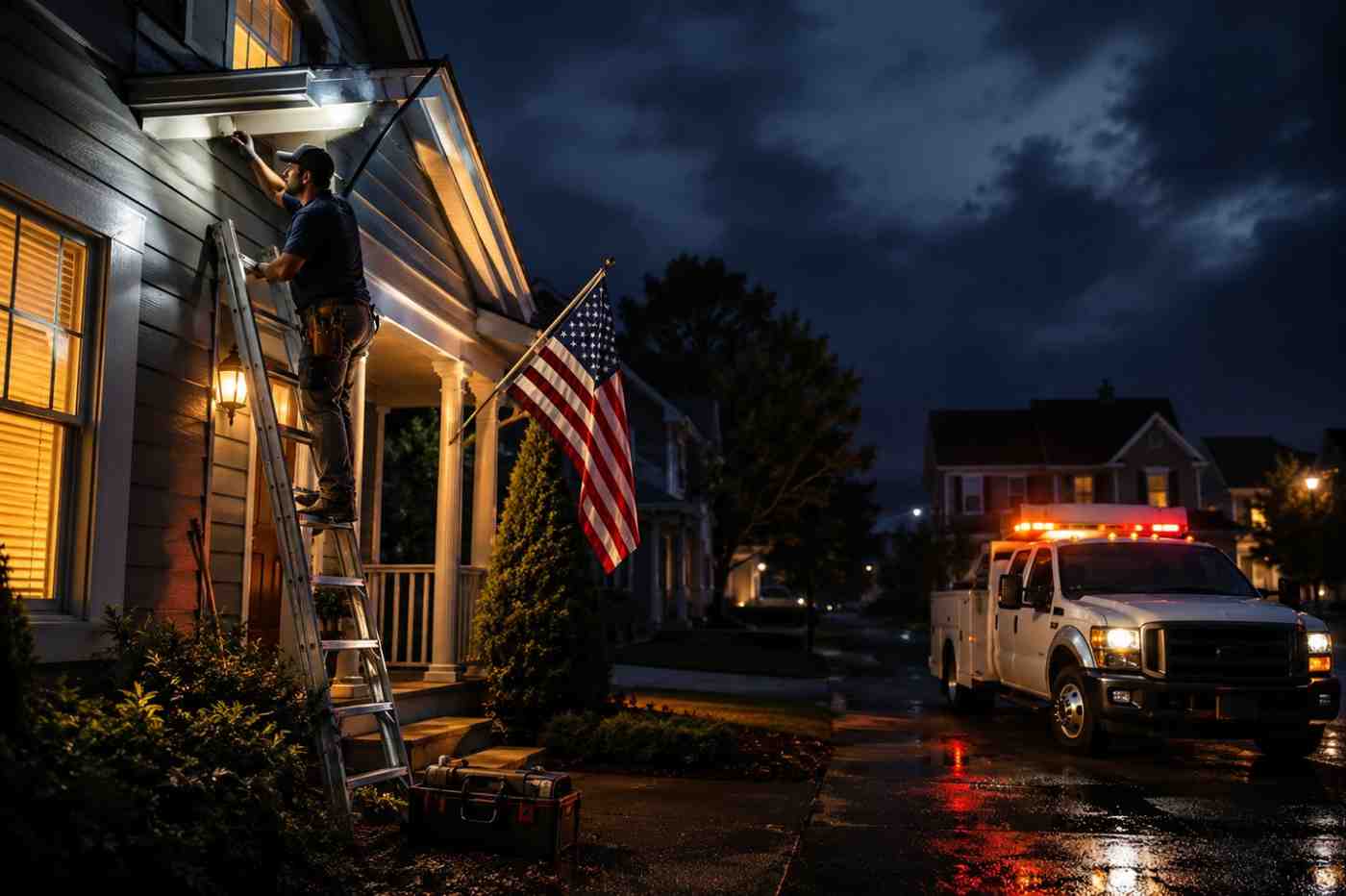
However, there is a distinct category of property failures that demands immediate, nocturnal intervention. These are maintenance emergencies that, if left unaddressed until morning, will escalate exponentially in severity, resulting in catastrophic structural damage, thousands of dollars in avoidable repair costs, or severe health and safety hazards. For landlords, tenants, and homeowners alike, knowing how to differentiate between a standard repair and a true overnight emergency is essential for responsible asset protection.
1. Uncontrollable Water Inundation and Active Flooding
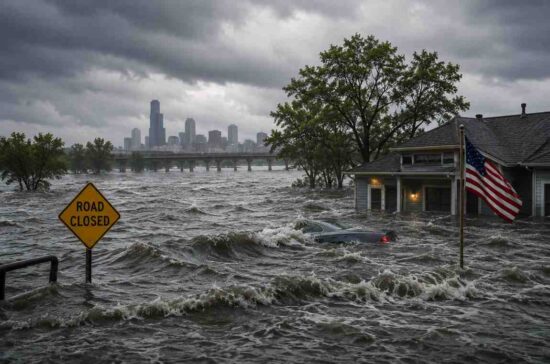
Water is one of the most destructive elements a property can encounter. A minor faucet drip can wait, but an uncontrollable, active pipe burst or main water line failure cannot. When a pressurized water line ruptures, it can dump hundreds of gallons of water into a home within a single hour, and it reflects your personality.
Active flooding quickly saturates drywall, warps hardwood flooring, ruins carpeting, and destroys electrical wiring hidden within walls. Beyond the immediate physical destruction, stagnant water creates an ideal environment for toxic mold colonies to form, a process that can begin in as little as 24 to 48 hours. If a resident cannot isolate and completely close the main water shut-off valve, or if the water is entering the structure from an external sewer backup, an emergency plumber must be dispatched immediately to mitigate the disaster before morning light.
2. Total Loss of Climate Control During Extreme Weather
A malfunctioning heating or air conditioning system is usually considered a convenience issue, but environmental context can instantly elevate it to a life-threatening emergency. The threshold for emergency status depends entirely on the outdoor temperature.
In the dead of winter, a total loss of heat when temperatures drop below freezing poses two severe risks: it threatens the health of vulnerable occupants, such as infants or the elderly, and it puts the property at risk of frozen pipes. When water freezes inside copper or PEX lines, it expands, causing the pipes to crack and flood the home once they thaw. Similarly, a complete failure of the air conditioning during an extreme summer heatwave can quickly push indoor temperatures into dangerous zones, requiring immediate HVAC dispatch to preserve habitability.
3. Active Electrical Hazards and Burning Smells
Electrical issues should always be treated with extreme caution, but certain symptoms indicate an imminent risk of a structural fire. If an outlet is sparking actively, if a circuit breaker refuses to trip and smells strongly of burning plastic, or if walls feel hot to the touch near switches, you are dealing with an overnight emergency.
Electrical fires often burn silently inside wall cavities long before smoke detectors are triggered. While the immediate step should always be to shut off power at the main electrical panel, an emergency electrician must evaluate the system right away if the burning smell persists or if power cannot be safely isolated. Delaying this seasonal exterior upgrades assessment until morning significantly increases the probability of a devastating house fire.
4. Gas Leaks and Carbon Monoxide Alerts
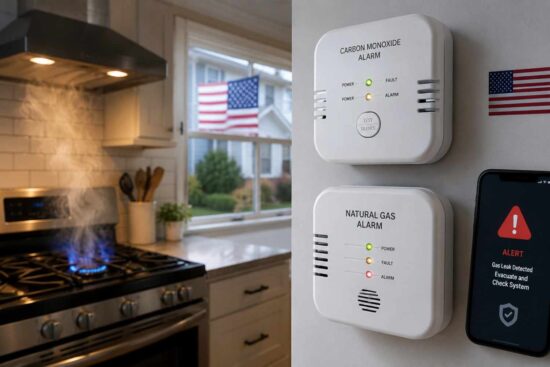
Perhaps the most critical emergency that allows for zero delay is the suspicion of a natural gas leak or a sounding carbon monoxide detector. Natural gas is naturally odorless, but utilities infuse it with a distinct, sulfuric “rotten egg” smell precisely so leaks can be detected by human senses.
If occupants smell gas or if a carbon monoxide alarm goes off, the protocol must be immediate evacuation. Carbon monoxide is an invisible, odorless, and lethal gas that can overcome individuals in their sleep. Once the occupants are safely outside, emergency utility services must be notified immediately. Managing these high-stakes safety issues overnight requires a seamless infrastructure. This logistical demand is why landlords often rely on professional residential property management companies in Salt Lake City to oversee their portfolios; these specialized organizations maintain 24/7 emergency hotlines and rapid-response vendor networks to handle midnight crises safely, ensuring that tenants are protected and properties remain compliant with local safety codes.
5. Compromised Structural Security
A property must remain secure from both environmental elements and external human threats. If an incident—such as a fallen tree limb, a severe storm, or a vehicle collision—leaves a major hole in the roof, shatters a ground-floor window, or breaks a primary entry door, the repair cannot wait until morning.
An unsecure property invites opportunistic theft and vandalism, while leaving the interior entirely exposed to rain, wind, and wildlife. An emergency board-up service must be deployed immediately to secure the perimeter with plywood and tarps, stabilizing the site until permanent structural repairs can be executed during regular business hours.
Conclusion
True maintenance emergencies are defined by their potential to cause immediate harm to human life or severe, irreversible damage to physical property. By establishing clear protocols for active flooding, extreme climate failures, electrical hazards, gas leaks, and security breaches, property owners can decisively protect their investments and ensure the continuous safety of those who live within them.