



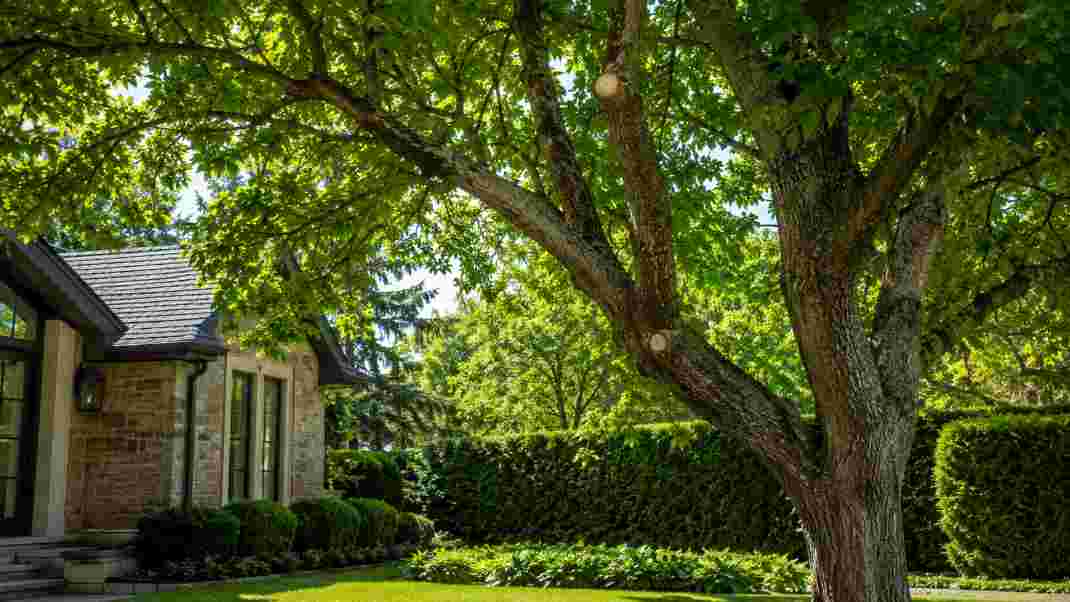
Trees can add beauty, shade, and value to your property, but they need more than just water to stay healthy. Proper pruning is one of the most important parts of tree care.
When done correctly, pruning helps trees develop stronger structures, improves their appearance, and reduces the risk of disease and damage.
Whether you’re a homeowner or a commercial property manager, understanding the benefits of pruning can help you protect your investment and keep your trees thriving.
Understanding the Purpose of Pruning
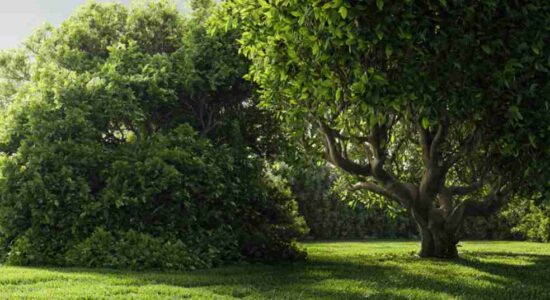
Pruning is the selective removal of branches to improve a tree’s health, structure, and safety. Unlike random trimming, proper pruning uses specific techniques to encourage healthy growth. Trees often grow branches that become weak, damaged, or overcrowded.
Pruning also helps shape the overall character of your outdoor space, and details like tree form, garden layout, and plant choices can say a lot about you, like your garden as mirror and it reflects your personality.
Removing them allows the tree to direct its energy toward stronger limbs. Pruning also improves airflow and sunlight exposure within the canopy, which reduces the risk of disease.
A well-pruned tree is better able to withstand storms, pests, and other environmental stressors, helping to preserve its beauty and extend its life.
How Pruning Supports Healthier Growth
Pruning encourages stronger, healthier growth by removing dead, diseased, or damaged branches that drain a tree’s resources. This allows nutrients and energy to be redirected to healthy limbs and new growth.
Strategic pruning also prevents branches from crossing or rubbing together, which can create wounds that are entry points for insects and diseases.
By eliminating these issues, healthy branch development is promoted, contributing to a stronger tree structure that can better support future growth and maintain its natural beauty.
Reducing the Risk of Disease and Pest Infestations
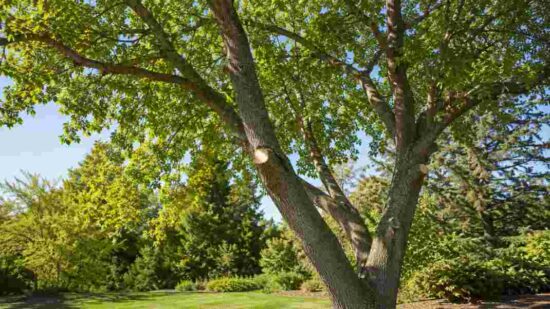
Diseased branches can spread infections throughout a tree if left untreated. Pruning removes these infected areas before the disease can advance. Pruning also improves air circulation; a dense canopy traps moisture, creating ideal conditions for fungal growth.
Thinning the canopy allows leaves and branches to dry more quickly after rain. Additionally, many pests are attracted to weakened or damaged trees. Removing compromised branches reduces potential nesting and feeding sites, making the tree less vulnerable to infestations and more resilient.
Improving Tree Structure and Stability
Structural pruning is particularly beneficial for young trees, as it establishes a strong framework for healthy, lifelong development. Without it, weak branch attachments and multiple competing leaders can create future hazards.
Pruning encourages the growth of a dominant central leader and well-spaced branches, which improves the tree’s balance and stability. This strong structure makes branch failure less likely during high winds, heavy snow, or storms, which is crucial in areas with harsh weather. Investing in thoughtful pruning during a tree’s early years can prevent costly problems and safety concerns down the line.
Enhancing Appearance and Property Value
Healthy, well-maintained trees significantly improve a landscape’s appearance. Pruning shapes trees, maintains their symmetry, and removes dead growth, which contributes to a clean and attractive outdoor space.
Healthy trees work together with clean landscaping, fresh paint, lighting, and the seasonal exterior upgrades that improve the appeal of a property to look more polished and valuable.
This enhanced visual appeal boosts curb appeal and can even increase property value. Since homeowners and businesses understand the importance of an attractive landscape, professional pruning ensures their trees remain healthy, beautiful, and valuable for years to come.
Promoting Safety Around Your Property

Overgrown or damaged branches can present serious safety risks. Limbs hanging over roofs, driveways, sidewalks, or utility lines are particularly hazardous if they break. Pruning removes these weak branches before they fall, helping maintain safe clearance around structures and walkways.
This proactive approach reduces the risk of property damage and personal injury. Pruning for safety is especially important after storms or during periods of rapid growth, as addressing potential hazards early creates a safer environment for everyone.
Choosing the Right Time for Pruning
The timing of pruning can significantly impact its effectiveness, as different tree species have unique growth patterns and needs. In most cases, pruning during the dormant season yields the best results by minimizing stress and promoting vigorous spring growth.
However, some situations, like removing storm-damaged or diseased branches, require immediate action. Understanding the specific needs of each tree ensures the best outcome.
Property owners seeking professional tree trimming in Salt Lake City can consult with experienced tree care professionals to determine the ideal pruning schedule for their trees.
Conclusion
Proper pruning is a valuable investment in the health and longevity of your trees. It encourages stronger growth, improves structural integrity, reduces disease risks, and enhances the appearance and safety of your property.
Regular maintenance helps trees thrive in changing conditions while preserving their beauty and value. Whether caring for young saplings or mature shade trees, consistent pruning supports healthier growth and long-term success.
Trees can add beauty, shade, and value to your property, but they also need regular care and proper maintenance to stay healthy.
Prioritizing tree care leads to stronger, safer, and more attractive landscapes year-round.