




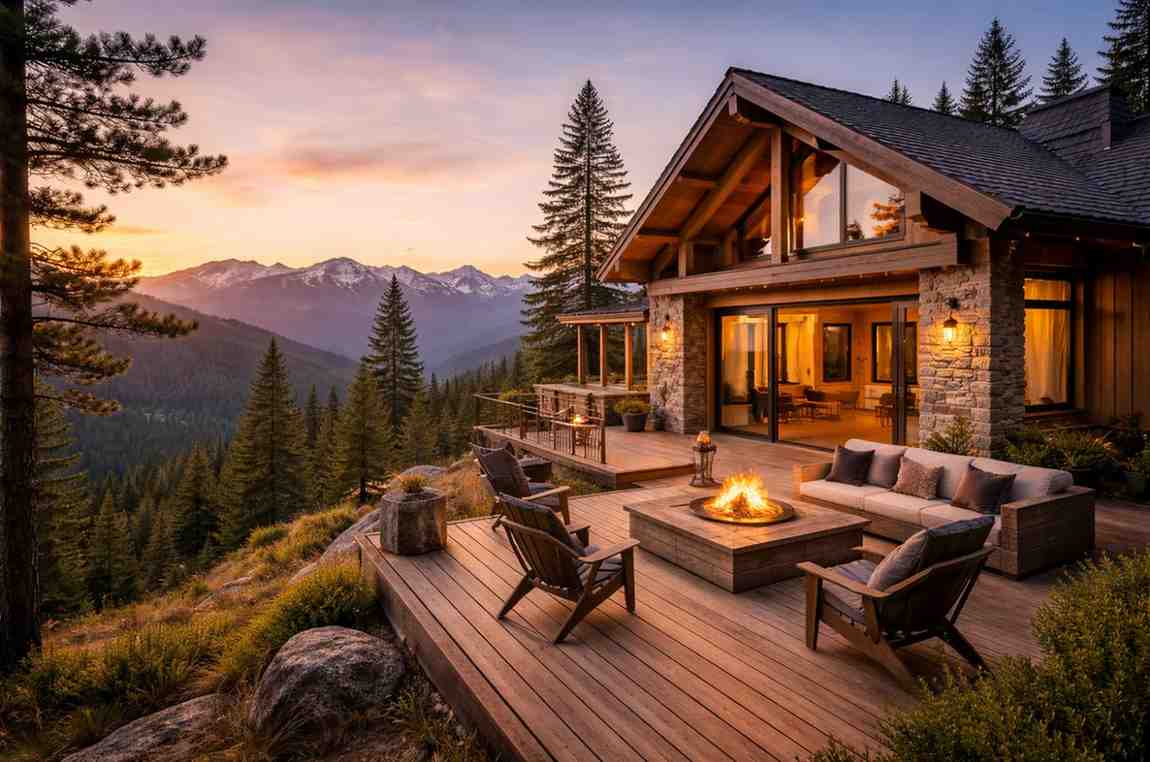
A few years ago, mountain properties were mostly lifestyle purchases. People bought cabins for vacations, retirement plans, or weekend escapes. Recently, that mindset has shifted. Buyers are now looking at mountain retreat real estate not just as a place to relax, but as a serious investment opportunity that can generate rental income and long-term appreciation at the same time.
What makes mountain real estate interesting right now is that the market is no longer just about luxury ski towns or expensive resort properties. There are now different tiers of opportunities in high-end luxury markets, affordable mountain towns, and short-term rental hotspots. Each of these offers a different type of real estate opportunity depending on whether someone is investing for cash flow, appreciation, or lifestyle.
Why Mountain Real Estate Is Becoming an Investment Opportunity
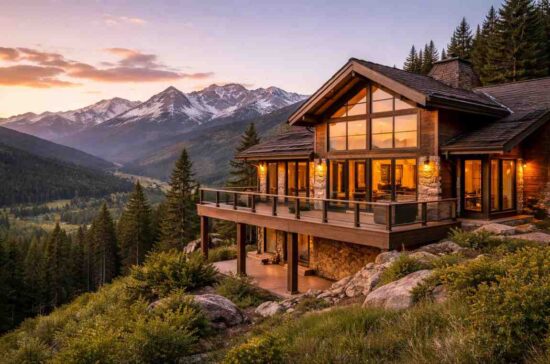
Mountain real estate has slowly moved from being a second-home market to a hybrid investment market. Many buyers now purchase properties that they use for part of the year and rent out for the rest of the time. This hybrid model allows owners to offset mortgage costs while still enjoying the property.
Another reason mountain property investment is growing is the limited land supply. Unlike cities where new buildings can go up frequently, mountain areas have zoning restrictions, protected land, and limited buildable space. Over time, this limited inventory often pushes property values higher.
Tourism also plays a big role. Mountain destinations attract visitors year-round for hiking, skiing, lakes, nature tourism, and remote retreats. That consistent tourism demand is what makes vacation rental properties in mountain areas attractive for investors.
Short-Term Rental Opportunities in Mountain Markets
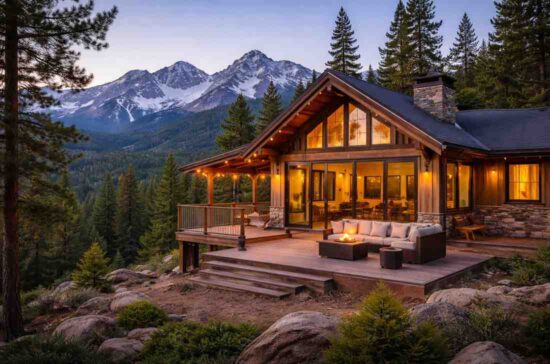
One of the biggest opportunities in mountain retreat real estate comes from short-term rentals. Many investors are buying cabins, chalets, and vacation homes specifically to rent them out on short-term rental platforms.
Recent market data shows that certain regional mountain destinations are generating strong rental yields, especially areas within driving distance of large cities. These locations attract weekend travelers, which creates consistent occupancy throughout the year.
Some emerging high-yield mountain markets include:
- The Poconos and Appalachian foothills
- Finger Lakes and Catskills region
- White Mountains and Flagstaff areas
- Keystone and similar nature tourism towns
These markets are attractive because property prices are still relatively affordable compared to major resort towns, but rental demand remains strong due to tourism and weekend travel.
Affordable Mountain Towns With Investment Potential
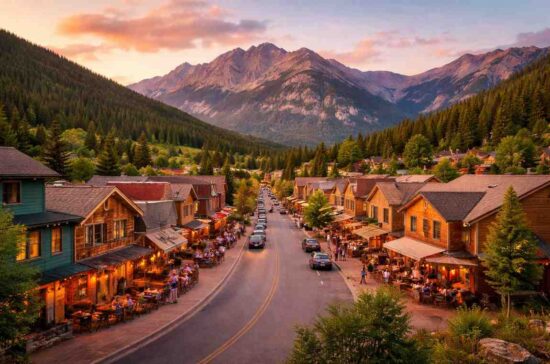
Not everyone is looking to buy luxury mountain homes. Many investors are now focusing on affordable mountain towns where entry prices are lower, but appreciation potential is strong.
These markets usually have:
- Growing tourism
- Outdoor recreation
- Remote worker migration
- Lower property prices
- Increasing rental demand
Affordable mountain markets often provide a better entry point for new real estate investors because the initial investment is lower and rental income can still cover a significant portion of expenses.
In many of these towns, buyers are purchasing:
- Small cabins
- A-frame homes
- Vacation cottages
- Land for future development
- Small multi-unit vacation rentals
This segment of mountain real estate investment is growing quickly because it combines affordability with long-term appreciation potential.
Luxury Mountain Real Estate Still Leads the Market
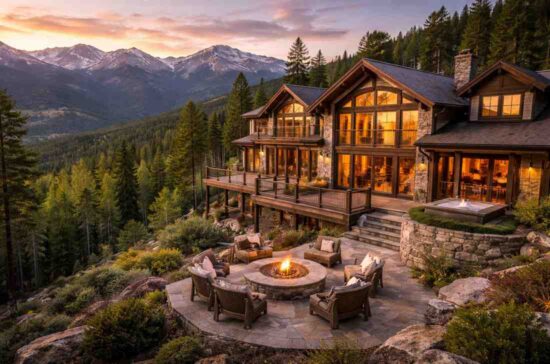
While affordable markets are growing, luxury mountain real estate continues to perform strongly. High-end resort towns and luxury retreat properties still attract buyers looking for premium properties, long-term value retention, and exclusive locations.
One interesting trend in luxury mountain homes is the shift toward wellness-focused properties. Many new luxury mountain homes now include:
- Sauna-style bathrooms
- Cold plunge pools
- Yoga and meditation rooms
- Large outdoor living spaces
- Nature-integrated architecture
Luxury mountain properties are less about rental income and more about long-term value, lifestyle, and unique properties that hold value due to limited inventory.
FAQs: Mountain Retreat Real Estate Opportunities
1. Is mountain real estate a good investment?
Mountain real estate can be a good investment if the property is in a tourism-driven area with rental demand and limited land supply. Many investors earn rental income while also benefiting from property appreciation over time.
2. Do mountain cabins make good rental properties?
Yes, mountain cabins often perform well as short-term rentals, especially in areas with hiking, skiing, lakes, or nature tourism. Occupancy rates usually depend on accessibility and nearby attractions.
3. What is the biggest risk when buying mountain property?
The biggest risks include seasonal demand, maintenance costs, accessibility issues, and local short-term rental regulations. These factors can affect rental income and resale value.
4. Is land a good investment in mountain areas?
Land can be a strong long-term investment in mountain areas because buildable land is limited. As tourism and population increase, land value often increases over time.
Final Thoughts
Mountain retreat real estate is no longer just about vacation homes and retirement cabins. It has evolved into a unique real estate segment that combines lifestyle, investment potential, and long-term property appreciation. The most interesting opportunities now are not only in luxury resort towns but also in smaller regional mountain markets where property prices are lower and rental demand continues to grow.
For investors and buyers, the key is understanding whether the goal is rental income, long-term appreciation, personal use, or a combination of all three. Mountain properties can serve multiple purposes, which is what makes this real estate category different from traditional residential investment.