





I’ve always found it interesting how certain places grow faster than others, not because of factories or corporate offices, but because people simply want to visit them. Tourism changes a place in ways that are easy to see, such as new hotels, restaurants, and better roads, but what many people don’t notice immediately is how strongly tourism affects real estate markets. Property prices, rental demand, and even the type of housing built in an area often change because of tourism.
In many tourist-heavy locations, real estate behaves very differently compared to regular cities. Investors look for vacation rental income, developers build hotels and entertainment areas, and property values often rise faster than average.
But tourism doesn’t only create opportunities; it also creates challenges like housing affordability issues and seasonal market fluctuations. Real estate markets in tourist destinations are shaped by demand patterns that are very different from traditional housing markets.
Increased Property Demand And Rising Prices
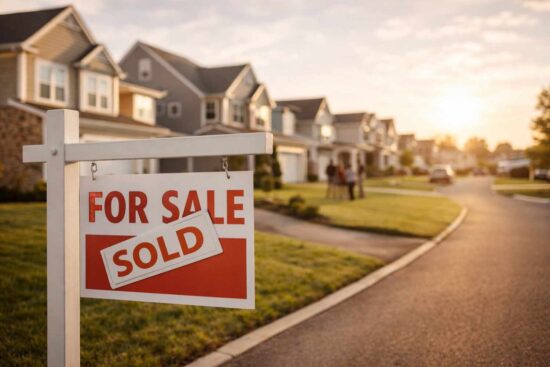
One of the biggest ways tourism impacts real estate markets is through increased property demand. When a location becomes popular with tourists, people start buying vacation homes, rental properties, and investment properties. This increased demand naturally pushes property prices higher.
Tourist destinations often see strong property appreciation because buyers are not only local residents but also investors and second-home buyers. Many investors purchase properties specifically for short-term rental income, which changes the housing market structure. Instead of long-term residents buying homes, investors begin purchasing multiple properties for rental income.
Over time, this demand creates:
- Higher property prices
- Increased rental rates
- More real estate development
- Growth in vacation home investment
This is why beach towns, theme park cities, ski towns, and entertainment destinations often experience faster real estate growth than regular residential cities.
Growth Of Short-Term Rentals And Vacation Homes

The rise of vacation homes vs investment properties has significantly changed the tourism real estate market. Many properties in tourist destinations are now purchased specifically for short-term rental income rather than long-term tenants.
Short-term rental markets often generate higher income compared to traditional renting, especially in peak tourist seasons. This encourages more investors to enter the market, which increases property demand even further.
Short-term rental growth usually leads to:
- More vacation homes and second homes
- Higher rental income potential
- Increased property investment activity
- Reduced long-term rental supply
- Higher rental prices for residents
This shift is one of the biggest reasons tourism property investment has grown rapidly over the past decade. Many real estate investors now specifically target tourist destinations because of seasonal rental income opportunities.
Infrastructure Development And Land Value Growth
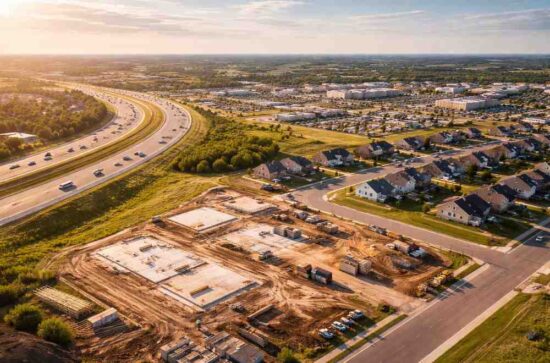
Tourism often leads to major infrastructure development, which has a direct impact on real estate values. Governments and private developers invest in roads, airports, public transport, entertainment districts, shopping areas, and public spaces to support tourism growth.
Once infrastructure improves, property values usually increase because the area becomes more accessible and attractive for both tourists and residents. Infrastructure development is one of the strongest real estate demand drivers in tourism-based markets.
For example, when new airports, highways, or entertainment complexes are built, nearby land and property prices often rise significantly. Commercial real estate also grows alongside tourism because businesses like restaurants, retail stores, and entertainment venues need space.
Tourism doesn’t just increase residential property demand; it also drives hospitality real estate and commercial real estate growth.
Commercial Real Estate And Hospitality Growth

Tourism impacts more than just houses and apartments. It also drives demand for hotels, retail spaces, restaurants, entertainment venues, and mixed-use developments. This creates a strong commercial real estate market in tourist destinations.
Areas with high tourism activity often see:
- Hotel construction
- Retail and shopping centers
- Restaurants and entertainment districts
- Resorts and hospitality properties
- Mixed-use real estate developments
Commercial real estate growth usually follows tourism growth because businesses want to operate where tourists spend money. This increases land value and attracts more developers and investors to the area.
Housing Affordability And Local Market Challenges

While tourism increases property values and investment opportunities, it also creates challenges for local residents. One of the biggest issues is housing affordability. When many homes are converted into vacation rentals, the supply of long-term housing decreases.
This often leads to:
- Higher rent prices
- Housing shortages
- Displacement of local residents
- Gentrification in tourist areas
- Increased cost of living
In some tourist destinations, local workers struggle to afford housing because property prices and rental prices are driven by tourism demand rather than local income levels. This has led many cities to introduce regulations on short-term rentals to protect housing availability.
Tourism can strengthen the real estate market, but it can also create social and housing challenges if growth is not managed properly.
FAQs: How Tourism Impacts Real Estate Markets
1. How does tourism increase property prices?
Tourism increases property demand through vacation homes, short-term rentals, and commercial real estate development, which pushes property prices higher in tourist destinations.
2. Are tourist destinations good for real estate investment?
Tourist destinations can be good for real estate investment because of rental income opportunities, property appreciation, and high demand for vacation rentals.
3. How do short-term rentals affect housing markets?
Short-term rentals reduce the supply of long-term housing, which can increase rent prices and create housing affordability issues for local residents.
4. Does tourism affect commercial real estate?
Yes, tourism increases demand for hotels, restaurants, retail stores, and entertainment venues, which leads to commercial real estate growth.
Final Thoughts
Tourism plays a powerful role in shaping real estate markets by increasing property demand, driving infrastructure development, expanding commercial real estate, and creating new investment opportunities.
In many tourist destinations, real estate markets grow faster because demand comes not only from residents but also from investors, vacation home buyers, and short-term rental operators. Over time, tourism can completely transform a location’s property market, turning small towns into high-demand real estate hotspots.
However, tourism-driven real estate markets also come with challenges like housing affordability issues, seasonal income fluctuations, and dependency on tourism trends. Understanding both the opportunities and risks is important for anyone looking at real estate in tourist destinations.