




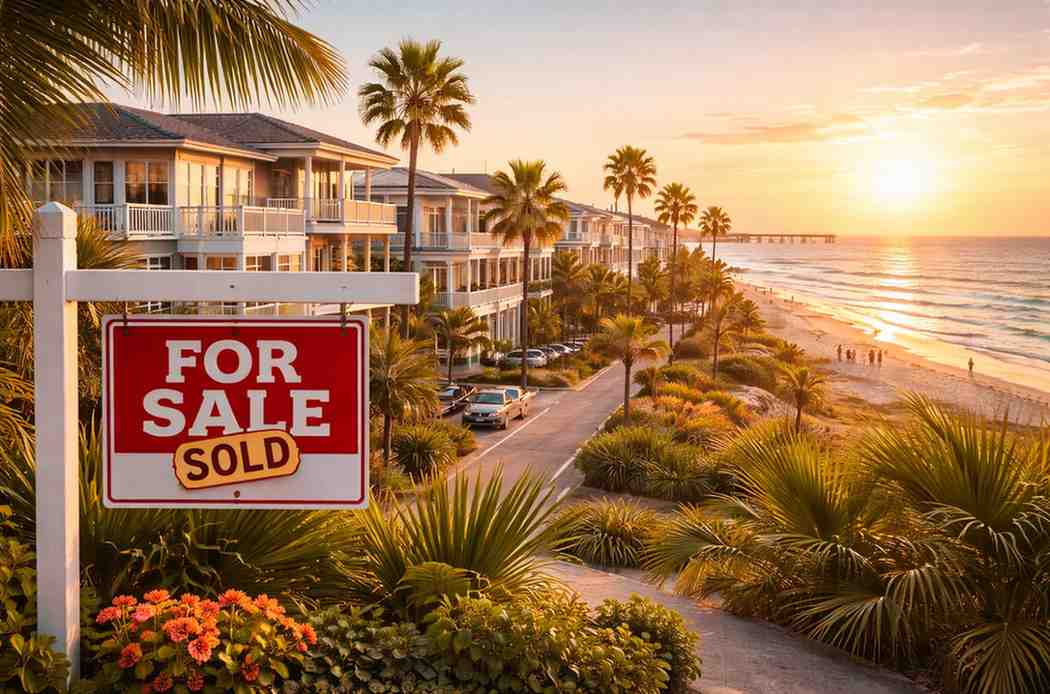
Travel used to be just about vacations, experiences, and temporary escapes. But over the last few years, something interesting started happening. People began visiting places and then coming back again, not as tourists, but as property buyers. What started as short trips slowly turned into second homes, rental properties, and long-term investments. Travel and real estate are now more connected than ever.
A lot of this shift happened when remote work became normal, and people realized they didn’t have to live near their office anymore. Suddenly, beach towns, mountain towns, and smaller cities started seeing new residents and property investors. Many travel destinations are now turning into real estate hotspots, not because they were planned that way, but because people simply didn’t want to leave after visiting.
Why Travel Destinations Are Turning Into Real Estate Hotspots
The biggest reason behind this trend is lifestyle migration. People are no longer choosing where to live based only on jobs. They are choosing based on lifestyle, weather, cost of living, and quality of life. Travel destinations already offer these things, so naturally, they become attractive property investment destinations.
Another major factor is the short-term rental market. Platforms like Airbnb and Vrbo made it easier for property owners to earn rental income from vacation homes. Investors now look at tourism numbers before buying property because high tourist traffic often means strong rental demand.
Some of the main reasons travel destinations become real estate hotspots include:
- Growth in short-term rental income opportunities
- Remote work allows people to relocate
- Tourism driving property demand
- Retirement and second-home buyers
- Infrastructure and airport development
- Lower property prices compared to major cities
These factors together turn vacation destinations into long-term real estate investment markets.
Cities Becoming Travel And Real Estate Investment Hotspots

Several cities that attract tourists are now also attracting real estate investors. These places are growing because they offer business opportunities, events, tourism, and population growth at the same time.
Dallas–Fort Worth
This area has become one of the fastest-growing property investment destinations due to business growth, major events, and population migration. Large international events and sports tourism are expected to increase travel demand, which usually pushes property values higher.
Indianapolis
This city is becoming both a travel destination and a real estate hotspot because of events, conventions, and sports tourism. Property prices are still relatively affordable compared to major metro areas, which makes it attractive for investors looking for rental income and property appreciation.
Charleston
Known for tourism, historic architecture, and coastal lifestyle, Charleston has seen steady property demand for years. Many visitors end up buying vacation homes or rental properties, which keeps the real estate market active and growing.
Phoenix
Phoenix continues to attract relocation buyers, retirees, and vacation home investors. Warm weather, resort lifestyle, and business growth make it both a travel destination and a strong real estate market.
Hartford
Low housing inventory and increasing demand are pushing property prices upward. Cities like this are becoming emerging real estate markets because they still offer relatively affordable entry prices with future growth potential.
Short-Term Rental And Vacation Property Hotspots

Not all real estate hotspots are big cities. Many smaller travel destinations are actually performing better in the vacation rental market. These locations often have high occupancy rates and high seasonal rental income.
Some vacation rental hotspots include beach towns, national park towns, and small tourist cities. These places attract visitors year-round, which makes them ideal for vacation home investment.
Some examples of travel destinations with strong short-term rental markets include:
- Myrtle Beach – a popular beach destination with strong rental demand
- St. Petersburg – a coastal city with tourism, arts, and culture
- Moab – outdoor tourism and national parks
- Fairbanks – experiential tourism like northern lights travel
- Rockford – business travel and cultural tourism
These destinations show that tourism real estate is not limited to luxury coastal markets anymore. Smaller cities are becoming lifestyle real estate investment locations.
FAQs: Top Travel Destinations Becoming Real Estate Hotspots
1. How do travel destinations become real estate hotspots?
Travel destinations become real estate hotspots when tourism increases, rental demand grows, and more people start buying second homes or relocating for lifestyle reasons.
2. Are vacation homes a good investment?
Vacation homes can be good investments if the location has strong tourism, high rental demand, and property value growth over time.
3. Why are small towns becoming real estate investment destinations?
Small towns often have lower property prices, less competition, and growing tourism, which makes them attractive for vacation rental and second home investments.
4. What should investors look for in travel real estate markets?
Investors should look for tourism growth, rental demand, infrastructure development, population growth, and long-term property appreciation potential.
Final Thoughts
Travel and real estate are now closely connected in a way that did not exist a decade ago. People are no longer just visiting places for a few days and leaving. Many are testing locations through travel and then deciding to invest, relocate, or buy second homes there. This shift is slowly changing real estate markets and retirement benefits, especially in tourism-driven cities and small lifestyle destinations. Property markets are growing in places that were once only known as vacation spots.
This trend will likely continue as remote work, short-term rentals, and lifestyle migration keep growing. Travel destinations are no longer just places to visit. For many people, they are becoming places to live and invest.