




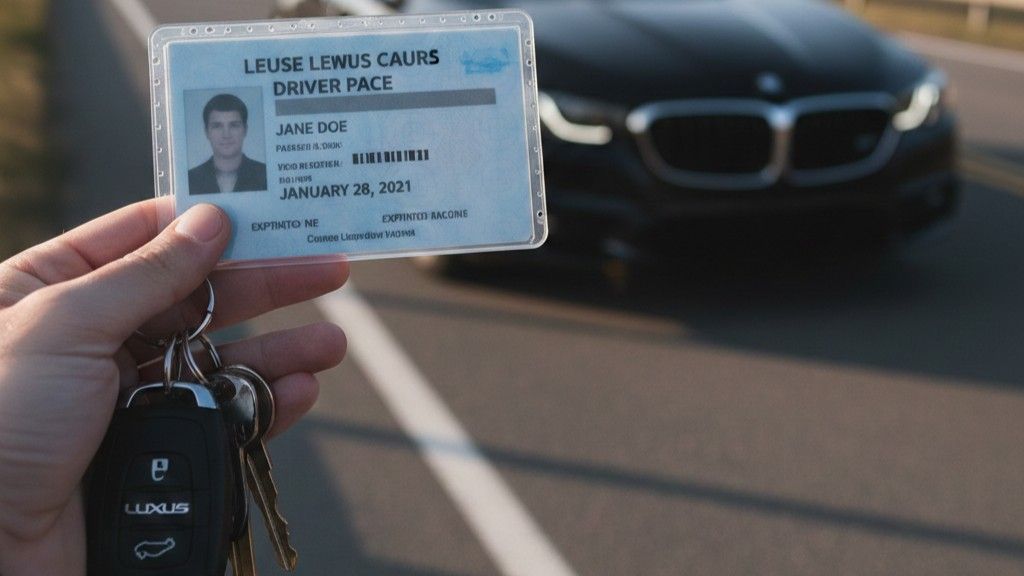
Reaching for your keys is a reflex. Whether you are heading to work, picking up groceries, or rushing to a medical appointment, the ability to drive is often the glue holding a busy schedule together. We tend to view driving as a guaranteed right, but legally, it is a privilege—one that can be revoked faster than many realize.
The Fast Track to Suspension
Most drivers assume they are safe from suspension as long as they don’t commit a major crime. However, the threshold for losing your driving privileges is lower than you might think. A single lapse in judgment or a series of minor oversights can lead to a revocation.
Driving Under the Influence (DUI)
This is the most well-known reason for license suspension, and for good reason. All states have strict laws regarding driving under the influence of alcohol or drugs. In many jurisdictions, your license can be suspended immediately upon arrest, even before a court conviction. The length of the suspension varies significantly based on the severity of the offense and prior history, ranging from a few months to permanent revocation.
The Points System
You don’t need to commit a felony to lose your license; you might just need a heavy foot. Most states operate on a “points” system. Every time you are cited for a moving violation—like speeding, running a red light, or an improper lane change—points are added to your driving record.
If you accumulate a certain number of points within a specific timeframe (often 12 to 24 months), the state will automatically suspend your license. It’s a cumulative problem where small mistakes add up to a major penalty.
Non-Driving Violations
Surprisingly, your driving privileges can be revoked for actions that have nothing to do with operating a vehicle. State laws vary, but common non-driving reasons for suspension include:

- Unpaid Fines: Ignoring a speeding ticket doesn’t make it go away. Failure to pay traffic citations often triggers an automatic suspension.
- Unpaid Child Support: Many states use license suspension as a tool to enforce child support payments.
- No Insurance: Driving without the state-minimum liability insurance is a quick way to get your license flagged and suspended.
The Uphill Battle of Reinstatement
Losing your license takes moments. Getting it back can take months or even years. The reinstatement process is rarely as simple as waiting out the suspension period. It involves a complex web of fees, paperwork, and legal requirements.
Financial Obligations
The cost of reinstatement goes beyond the original fine for your violation. You will typically have to pay a reinstatement fee to the Department of Motor Vehicles (DMV). If your suspension was due to unpaid tickets, you must settle those debts first. Court costs and legal fees can further inflate the price tag, making the process financially draining for many drivers.
Education and Evaluation
For alcohol-related suspensions or those resulting from reckless driving, the state often mandates remedial education. This might involve completing a defensive driving course or a substance abuse education program. In more severe cases, you may be required to undergo a professional drug and alcohol evaluation before you are even considered for reinstatement.
The SR-22 Insurance Requirement
One of the most persistent hurdles to reinstatement is the SR-22 form. This is a certificate of financial responsibility that verifies you have the required car insurance coverage.
If you are required to carry an SR-22, your insurance company must file it directly with the state. Because this flags you as a “high-risk” driver, your insurance premiums will likely skyrocket. You are generally required to maintain this status for several years; if you miss a payment or let the policy lapse, the insurance company notifies the state, and your license is suspended again immediately.
When You Have No Other Choice: Hardship Licenses
If your license is suspended, does that mean you can’t get to work to pay the fines you owe? It’s a vicious cycle. Recognizing this, many states offer a limited driving permit, often called a “hardship license,” “occupational license,” or “restricted license.”
These permits are not a “get out of jail free” card. They come with strict conditions. Typically, a hardship license allows you to drive only to specific locations, such as:
- Work or school.
- Medical appointments.
- Court-ordered programs (like alcohol education classes).
- Grocery stores or places of worship.
Obtaining one usually requires a hearing before a judge or a DMV officer. You must prove that the suspension is causing a significant hardship—for example, that no public transportation is available to get you to your job. If caught driving outside the permitted hours or locations, the hardship license is usually revoked, and the original suspension period is extended.
Protecting Your Right to Drive
The best strategy for dealing with license suspension is prevention. While some factors may seem out of your control, proactive behavior can keep your record clean.

Monitor your driving record: Don’t let points sneak up on you. Check your driving record periodically to see where you stand. In some states, you can voluntarily take a defensive driving course to remove points from your record before they trigger a suspension.
Address citations immediately: If you receive a ticket, handle it right away. Pay the fine or schedule a court date. Letting it gather dust in your glove compartment is the fastest route to a suspended license.
Seek legal counsel for serious offenses: If you are charged with a major violation like a DUI or reckless driving, do not face the system alone. A qualified DUI attorney in Yakima, Washington, can help navigate the complex legal landscape. They may be able to negotiate reduced charges or alternative penalties that protect your driving privileges.
Review your insurance: Ensure your policy never lapses. Set up automatic payments so you don’t accidentally drive uninsured.
Conclusion
A driver’s license is your key to freedom—it allows you to work, care for your family, and live your life. Losing it can disrupt everything. The reinstatement process is intentionally difficult to deter negligence. By understanding the rules of the road and handling legal matters promptly, you can protect your license and keep your life on track.