



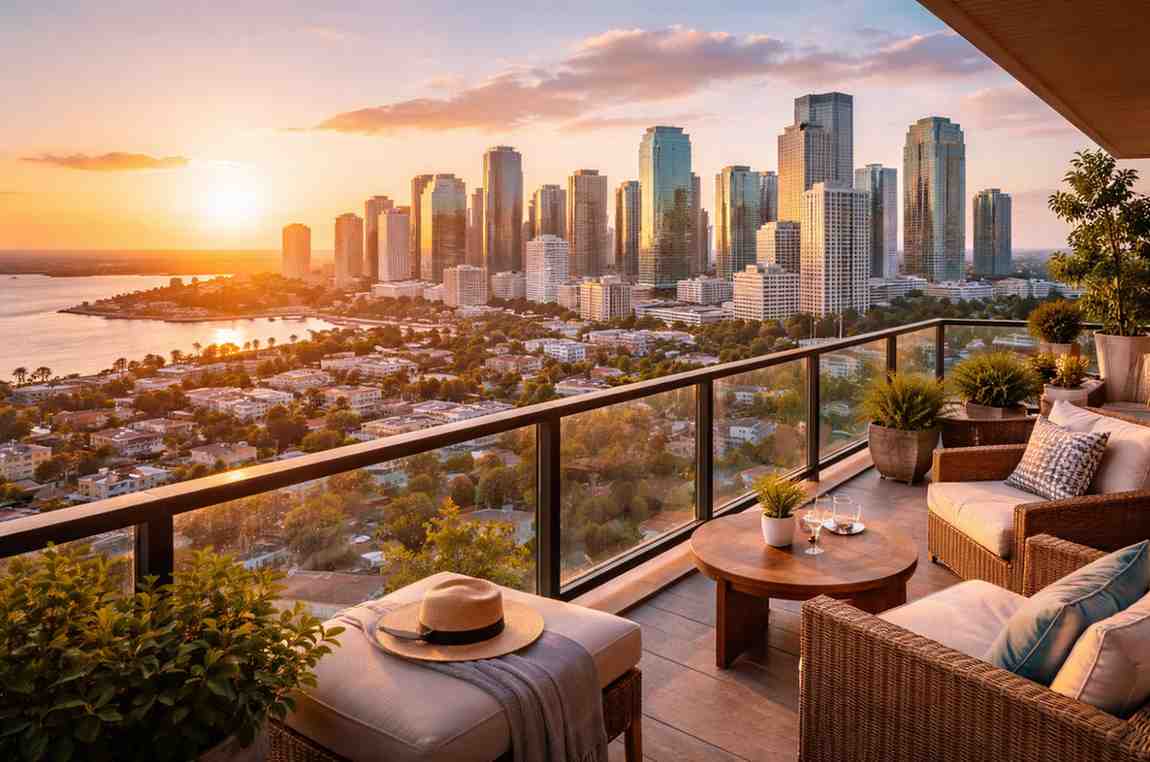
A few years ago, travel and real estate were mostly separate industries. People traveled for vacations, and they bought property where they worked or planned to retire. That line has started to disappear. Today, travel behavior is influencing where people buy homes, where investors purchase rental properties, and which locations see the fastest property price growth.
What’s interesting is that people are no longer choosing properties only based on jobs or cities. They are choosing based on lifestyle, flexibility, and experiences. Places that were once considered vacation destinations are now becoming long-term living hubs, short-term rental hotspots, and major real estate investment zones. Travel trends are now directly shaping the real estate market in ways that didn’t exist before.
The Rise of Short-Term Rentals as Investment Properties
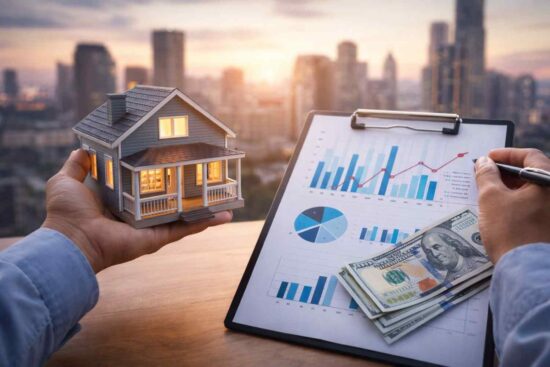
One of the biggest travel trends shaping the real estate market is the growth of short-term rentals. Platforms like Airbnb and vacation rental marketplaces have changed how investors look at property. Instead of buying property for long-term tenants, many investors now buy homes specifically for short-term rental income.
In high-tourism locations, short-term rentals often generate higher monthly income compared to traditional leases. This has increased demand for properties in vacation destinations, coastal towns, mountain areas, and entertainment cities. As more investors enter the short-term rental market, property prices in travel destinations continue to rise.
This trend has also changed property design. Investors now look for:
- Properties near tourist attractions
- Walkable neighborhoods
- Waterfront or scenic views
- Properties suitable for groups or families
- Homes that can be furnished and rented immediately
Real estate is no longer just about location for living. It is now about location for experiences and rental income.
Remote Work and the Work-From-Anywhere Lifestyle
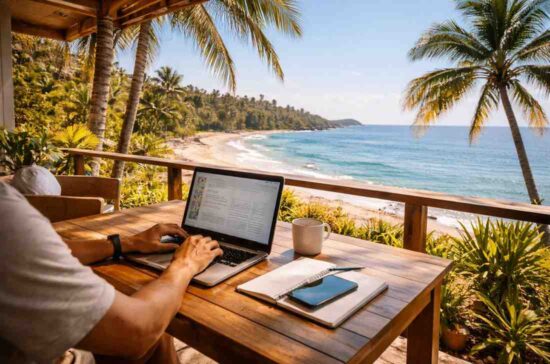
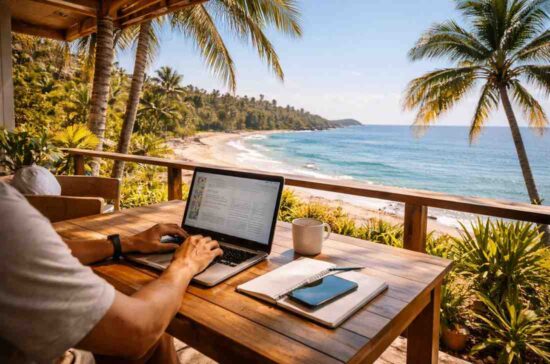
Remote work has had a major impact on housing trends and travel real estate markets. When people are no longer tied to an office, they start choosing where they want to live based on lifestyle rather than commute time.
This has led to increased demand in:
- Beach towns
- Mountain towns
- Smaller lifestyle cities
- Suburban areas near travel destinations
- Scenic and nature-focused locations
People are now combining travel and living. Some stay in one place for a few months, then move to another location. This has increased demand for furnished rentals, mid-term rentals, and flexible housing options.
The work-from-anywhere lifestyle has also increased interest in:
- Serviced apartments
- Co-living spaces
- Properties with office space
- Buildings with coworking areas
- High-speed internet infrastructure
Real estate developers are now designing properties specifically for remote workers and digital nomads.
Branded Residences and Hybrid Living Models
Another major trend shaping the real estate market is the rise of branded residences. Luxury hotel brands are now building residential properties where people can own a home but still have hotel-style services like housekeeping, concierge, and amenities.
These properties are becoming popular because they combine:
- Real estate ownership
- Hospitality services
- Rental management
- Luxury amenities
- Investment potential
Investors like branded residences because they are professionally managed and often maintain higher property values. Many buyers also use these properties part-time and rent them out when they are not using them, creating a hybrid living and investment model.
This trend shows how travel and hospitality are merging with residential real estate.
Emerging Travel Destinations Driving Property Demand
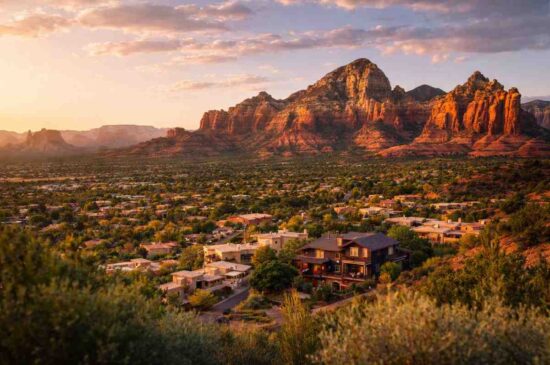
Travel trends are also redrawing the real estate map. New travel destinations are becoming property investment hotspots because of tourism growth, infrastructure development, and lifestyle migration.
Property demand is growing in locations that have:
- New airports or highways
- Growing tourism
- Nature or coastal attractions
- Cultural or heritage tourism
- Resort developments
- Entertainment or event tourism
When tourism increases in a location, demand for hotels, vacation rentals, restaurants, and second homes also increases. This pushes property prices up and creates investment opportunities.
In many cases, real estate opportunities increase not because of local job growth, but because of visitor demand and tourism infrastructure.
FAQs: Travel Trends Shaping the Real Estate Market
1. How does travel affect real estate prices?
Travel increases demand for short-term rentals, hotels, and vacation homes in popular destinations. Higher demand often leads to higher property prices and increased real estate investment in those areas.
2. Are short-term rentals a good real estate investment?
Short-term rentals can generate higher income than long-term rentals in high-tourism areas, but they require active management, furnishing, marketing, and maintenance.
3. What are branded residences in real estate?
Branded residences are residential properties developed and managed by hotel brands. Owners get hotel-style services, and properties are often professionally managed and rented when not occupied by the owner.
4. Why are remote workers influencing the real estate market?
Remote workers can live anywhere, so many choose lifestyle locations like beach towns or scenic areas, increasing housing demand and property prices in those locations.
Final Thoughts
Travel is no longer just about vacations. It is influencing where people live, where investors buy property, and which cities grow faster. The real estate market is shifting toward experience-driven properties, short-term rentals, hybrid living spaces, and lifestyle locations. Investors are now looking at tourism trends, infrastructure development, and remote work patterns before buying property, which shows how closely travel and real estate are now connected.
As travel continues to evolve, real estate will continue to follow. Locations that attract visitors today may become the residential and investment hotspots of tomorrow.