





In today’s world, reducing your carbon footprint has become one of the most impactful ways to combat climate change. But what does it actually mean, and why is it so important? A carbon footprint refers to the total amount of greenhouse gases, primarily carbon dioxide, emitted as a result of human activities like driving, energy consumption, and food production.
These emissions contribute to global warming and climate change, which have devastating effects on the planet. By reducing your carbon footprint, you’re taking action to protect ecosystems, conserve resources, and ensure a more sustainable future for generations to come.
What is a Carbon Footprint?
The term carbon footprint refers to the total amount of greenhouse gases (GHGs) that are emitted into the atmosphere due to human activities. These gases include carbon dioxide (CO₂), methane, and nitrous oxide, and are primarily produced from activities such as transportation, energy consumption, and food production.
Why Does it Matter?
A significant carbon footprint contributes to global warming, climate change, and other environmental crises. According to the Environmental Protection Agency (EPA), nearly 80% of greenhouse gas emissions come from energy-related activities like electricity generation and transportation. Understanding and reducing your carbon footprint can help mitigate the negative effects of these activities.
How to Calculate Your Carbon Footprint?
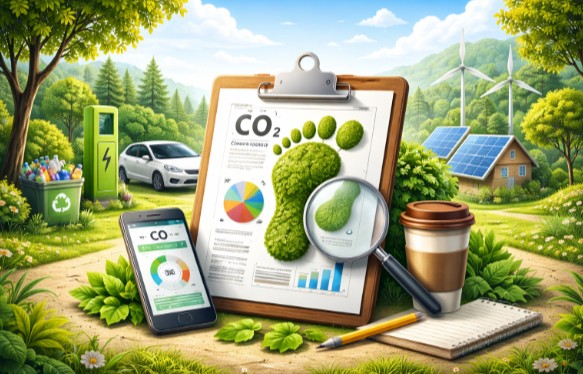
The first step toward reducing your carbon footprint is understanding how much you’re currently contributing. Several online calculators can estimate your carbon footprint based on factors such as:
- Transportation: Type of vehicle, distance traveled, fuel usage.
- Energy Consumption: Electricity, gas, and other energy sources used.
- Food Consumption: The carbon impact of your food choices (meat-heavy diets generally have a larger footprint).
- Waste: How much waste you produce and how it’s managed.
These calculators are a great starting point for pinpointing areas where you can make changes.
Top Tips to Reduce Your Carbon Footprint

Reducing your carbon footprint doesn’t have to be daunting. Here are some simple, actionable steps that anyone can implement:
1. Drive Less, Walk More
Transportation is one of the largest contributors to the carbon footprint. By choosing to walk, bike, or use public transport, you can significantly lower your impact. Even carpooling or driving efficient vehicles can make a huge difference.
2. Switch to Renewable Energy
Switching to renewable energy sources, such as solar or wind, can drastically reduce your carbon footprint. Many utility companies offer green energy options that are simple to switch to.
3. Be Mindful of Your Diet
Did you know that the food you eat has a significant impact on your carbon footprint? Opt for plant-based meals more often, as livestock farming generates higher greenhouse gas emissions. Reducing food waste also helps minimize emissions associated with food production.
4. Opt for Energy-Efficient Appliances
Energy-efficient appliances consume less power, reducing the amount of electricity needed and lowering your carbon footprint. Look for Energy Star-rated products when making new purchases.
5. Reduce, Reuse, and Recycle
By buying fewer disposable items and recycling more, you can reduce the waste sent to landfills, which in turn reduces your carbon footprint. The plastic recycling revolution has become a game-changer, helping to curb plastic waste and reduce the emissions associated with producing new plastic items.
Reusing items, whether through repurposing or donating, extends their lifecycle and cuts down on emissions.
Frequently Asked Questions
1. How much does the average person’s carbon footprint contribute to climate change?
The average American’s carbon footprint is approximately 16 tons of CO₂ per year. This is well above the global average of around 4 tons, which is why reducing personal emissions is crucial to mitigating climate change.
2. What is the largest contributor to my carbon footprint?
The largest contributors to a personal carbon footprint are typically transportation (car usage, air travel) and energy consumption (heating, cooling, electricity usage). However, food consumption and waste can also significantly impact your overall footprint.
3. Can switching to renewable energy make a big difference?
Yes! Switching to renewable energy sources, like solar or wind power, can cut down your carbon footprint dramatically. In fact, it can reduce up to 50% of your personal emissions, depending on your energy usage.
Final Thoughts
Taking steps to reduce your carbon footprint is essential for the health of the planet and future generations. By making small changes in your daily habits of driving less, eating more plant-based meals, or switching to renewable energy, you can make a significant impact.
Each and every small step counts in the fight against climate change. Now that you understand what a carbon footprint is and how to reduce it, take action today and start making changes that benefit both you and the environment!