




Designing an office is a complex puzzle. You have to fit people, furniture, and technology into a space while trying to maintain a flow that supports productivity. When done correctly, an office layout can boost morale and streamline operations.
When done poorly, it can lead to frustration, fatigue, and a significant drop in employee satisfaction. Many businesses unknowingly make layout errors that hinder their team’s potential. Identifying and correcting these common mistakes is the first step toward creating a happier, more efficient workplace.
Ignoring the Need for Quiet Spaces
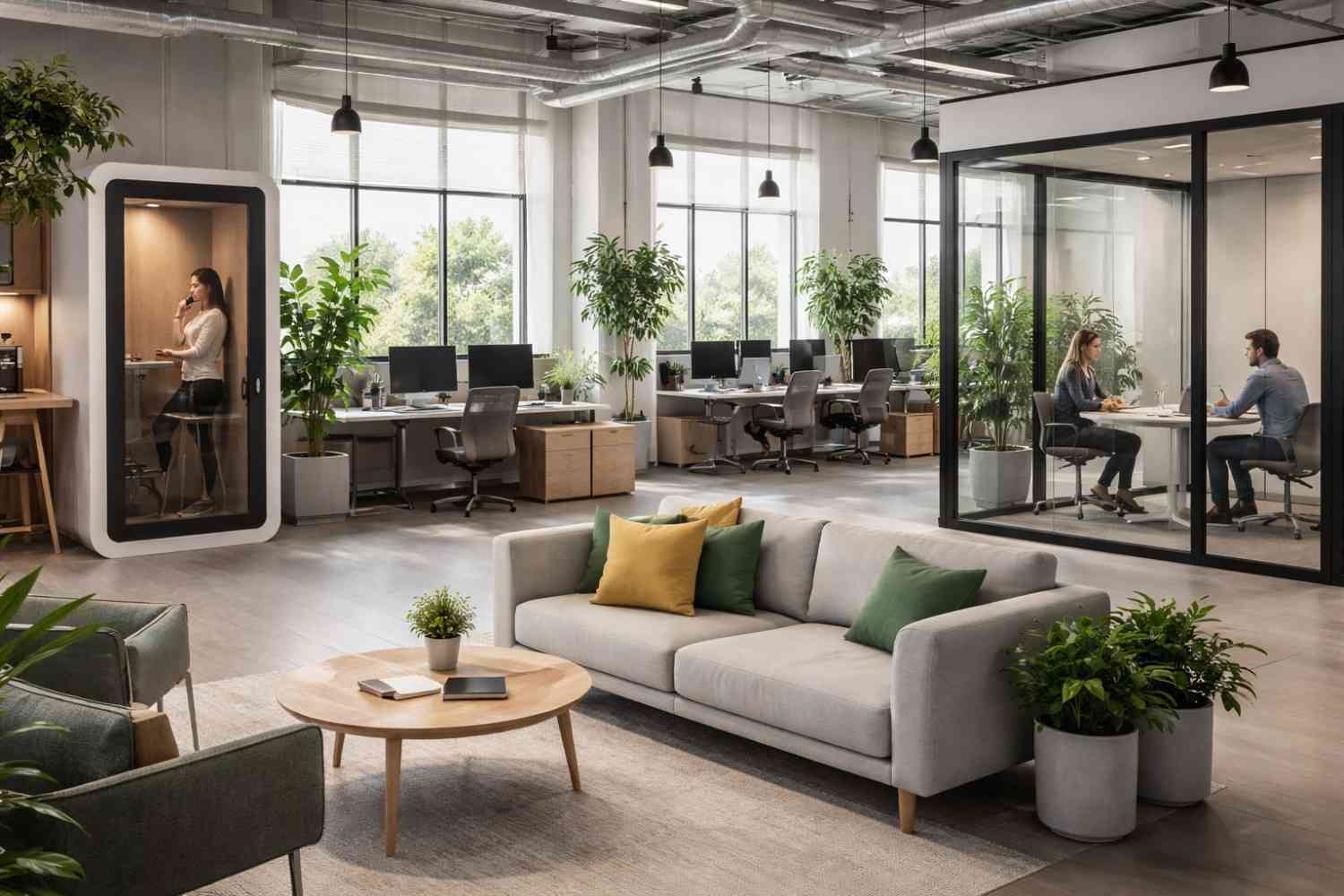
One of the most frequent errors in modern office design is the over-reliance on open floor plans without providing adequate quiet zones. While open spaces are great for collaboration, they can be a nightmare for focus. Constant noise and visual distractions make it difficult for employees to concentrate on complex tasks.
When a layout lacks private areas, stress levels rise. Employees may feel like they are constantly on display or unable to escape the buzz of the office. To fix this, balance open areas with designated quiet rooms or phone booths. These spaces allow individuals to take calls or work on deep-focus projects without interruption. A balanced approach ensures that both collaboration and concentration are supported equally.
Poor Lighting Choices
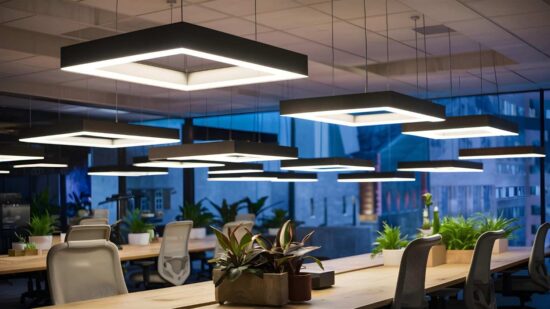
Lighting is often an afterthought, yet it has a profound impact on mood and energy levels. Relying solely on harsh overhead fluorescent lights can cause eye strain and headaches. On the other hand, dim lighting can induce drowsiness and lower productivity.
A common mistake is blocking natural light sources with tall furniture or private offices. Natural light is a crucial element for a healthy workspace. It helps regulate circadian rhythms and improves overall well-being. Arrange the layout so that windows are unobstructed and accessible to as many employees as possible. Supplement natural light with layered lighting options, such as task lamps and ambient fixtures, to create a comfortable and adjustable visual environment.
Overcrowding the Workspace
Trying to fit too many people into a limited space is a recipe for disaster. Overcrowding leads to a lack of privacy and increases the transmission of illnesses. It also makes movement difficult, creating bottlenecks in high-traffic areas.
Employees need personal space to feel comfortable. When desks are crammed together, it signals a lack of regard for their well-being. Ensure there is ample room between workstations and clear pathways for walking. If you are sourcing office cubicles in Las Vegas or any other city, be mindful of the dimensions. Even if the furniture fits physically, it might not fit practically if it leaves no room to breathe. Prioritize a spacious feel over maximizing headcount in a single room.
Neglecting Traffic Flow
A poorly planned traffic flow can disrupt work and cause unnecessary distractions. Placing workstations right next to loud areas like the kitchen, restrooms, or main entrances is a major layout mistake.
High-traffic zones naturally generate noise and activity. Employees seated nearby will struggle to focus as colleagues constantly walk by or gather for conversations. Map out the movement paths in your office before finalizing the layout. Keep workstations away from these busy hubs. Instead, use storage units, plants, or partitions to create a buffer zone. This separation preserves the sanity of those trying to work while allowing necessary movement throughout the office.
Forgetting About Break Areas

Another critical error is failing to provide a genuine break area. If the “break room” is just a small table in a dark corner or part of the main workspace, employees never truly disconnect.
Rest is essential for sustained productivity. A dedicated break room that is physically separate from the work area allows staff to recharge. This space should be inviting and comfortable, distinct from the aesthetic of the workstations. It encourages social interaction unrelated to work tasks, which builds stronger team bonds. When employees have a real place to relax, they return to their desks refreshed and ready to engage.
Failing to Plan for Technology
In the digital age, access to power and connectivity is non-negotiable. A layout that ignores the placement of outlets and data ports results in a mess of extension cords and tripping hazards.
It is frustrating for employees to hunt for a power source during a meeting or at their desk. Plan your furniture arrangement around the existing electrical infrastructure or upgrade the infrastructure to match the layout. Ensure that every workstation and meeting area has easy access to power and internet connections. This foresight prevents logistical headaches and keeps the office looking tidy and professional.
Creating a Functional and Joyful Space
Avoiding these common pitfalls requires thoughtful planning and a focus on the human experience. An office layout should serve the people who use it, not just the company’s bottom line. By prioritizing natural light, personal space, acoustic control, and logical flow, you create an environment where employees feel valued.
Take the time to assess your current setup. Look for bottlenecks, listen to employee feedback regarding noise, and observe how the space is actually used. Small adjustments can often yield significant improvements in morale. A happy workplace is a productive one, and it starts with a design that respects the needs of your team.