





Choosing the right auto loan can significantly impact your monthly budget and overall financial health. When financing a vehicle, borrowers typically choose between fixed and variable auto loans. Each option has its benefits and risks, and the right choice depends on your financial goals, income stability, and comfort with change.
This guide outlines the key differences between fixed and variable auto loans to help you make an informed decision when exploring your financing options.
What is a fixed auto loan?
A fixed auto loan has an interest rate that remains the same for the life of the loan. This means your monthly payment is predictable and won’t change, from the first payment to the last.
Key benefits of fixed auto loans: A major advantage of a fixed loan is stability . Because you know exactly how much you owe each month, budgeting is simpler and less stressful. This predictability is particularly useful for households that need consistent monthly planning.
Fixed loans also shield borrowers from market fluctuations; even if interest rates rise, your loan rate is locked in. This security appeals to buyers who value long-term certainty over potential short-term savings.
When a fixed loan makes sense: Fixed loans are ideal if you plan to keep your vehicle for several years or prefer predictable expenses. This option also suits first-time buyers who value clarity and simplicity throughout the life of the loan.
What is a variable auto loan?
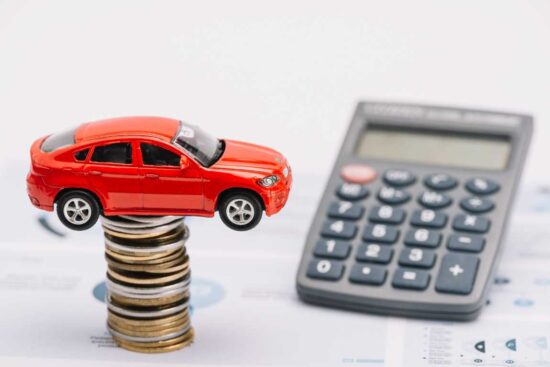
A variable auto loan has an interest rate that fluctuates with market conditions. These changes can increase or decrease your monthly payments, depending on rate movements.
- Key benefits of variable auto loans: Variable loans often begin with lower interest rates than fixed loans, leading to lower initial payments and potential savings if market rates remain stable or drop. They also offer more flexibility; borrowers who expect their income to grow or plan to pay off the debt early can benefit significantly from these lower starting rates.
- When a variable loan makes sense: Variable auto loans are best for borrowers comfortable with fluctuating rates. If you have the financial cushion to handle potential payment increases, this option can provide significant short-term savings.
Comparing fixed and variable auto loans
Payment stability vs flexibility: Fixed loans provide consistent payments, making them easier to manage long-term. Variable loans offer flexibility but require closer monitoring of interest rate changes.
Risk and predictability: With a fixed loan, there is little financial risk tied to rate changes. Variable loans carry more uncertainty, as payments may increase unexpectedly.
Long-term cost considerations: While variable loans may start cheaper, a rise in interest rates can result in higher overall costs. Fixed loans may have slightly higher initial rates, but they often provide peace of mind over time.
How your financial situation impacts your choice: Your personal financial situation is a key factor in choosing between fixed and variable loans. Consider your income stability, existing debt, and future financial goals.
Borrowers with a steady income who plan to keep their vehicle for the long term often prefer the security of a fixed loan. Conversely, those with a higher risk tolerance or plans to sell or refinance quickly may benefit from a variable loan.
Lifestyle factors, such as commuting habits and vehicle longevity, also impact how long you’ll hold the loan. Many buyers researching auto loans in Utah carefully weigh these personal variables before making a commitment.
Interest rates and market conditions: Economic conditions greatly impact the performance of variable loans. When interest rates are low and stable, variable loans can be appealing. However, during times of rising or unpredictable rates, fixed loans often provide more security. Staying informed about rate trends and understanding how adjustments work can help borrowers avoid unexpected costs.
Making the right decision for your needs

When it comes to auto loans, there’s no one-size-fits-all solution. The best choice depends on your tolerance for risk and preference for payment stability. Fixed loans provide simplicity and consistent payments, while variable loans offer potential savings with greater risk in banking industry.
Consider your financial habits, future goals, and comfort with uncertainty to determine the right option for you.
Conclusion
Knowing the difference between fixed and variable auto loans helps you make better financing choices. By comparing options, evaluating your budget, and considering the long-term impact, you can choose a loan that supports your financial health instead of straining it.
Taking a thoughtful approach to auto financing can make owning a vehicle simpler and less stressful, no matter which loan type you select.