




For many of us, the time spent traveling between home and work feels like a necessary evil—a lost hour (or two) of the day that simply must be endured. We sit in traffic, stand on crowded trains, or navigate unpredictable bus schedules, often arriving at our destination feeling drained before the workday has even begun.
Prioritize Your Posture with Ergonomic Seating
Whether you are behind the wheel or seated on a subway, the physical toll of sitting for prolonged periods is significant. Most standard car seats and public transit benches are not designed with individual orthopedic health in mind. Over time, this lack of support contributes to lower back pain, neck strain, and fatigue.
Lumbar Support and Cushions
The first line of defense against commuter fatigue is proper spinal alignment. A high-quality memory foam lumbar support pillow can be a game-changer. These cushions fill the gap between your lower back and the seat, maintaining the natural curve of your spine and preventing slouching.
For those who drive older vehicles or find public transit seats particularly unforgiving, a seat cushion designed for coccyx relief can also make a massive difference. These typically feature a U-shaped cutout that relieves pressure on the tailbone, improving blood flow to the legs and preventing that numbness that often sets in after thirty minutes on the road.
Posture Correctors

If adding bulk to your seat isn’t an option—perhaps you switch trains often or share a car—a wearable posture corrector might be the answer. These lightweight braces gently pull your shoulders back, training your muscles to hold an upright position. Wearing one for just the duration of your drive can help counteract the “tech neck” many of us develop from looking down at phones or hunching over steering wheels.
Declutter Your Space with Organization Solutions
A cluttered environment often leads to a cluttered mind. There is a specific type of low-grade anxiety that comes from hearing objects roll around the passenger seat or frantically digging through a backpack for a subway pass. Organizing your immediate surroundings puts you back in control.
Vehicle Organizers
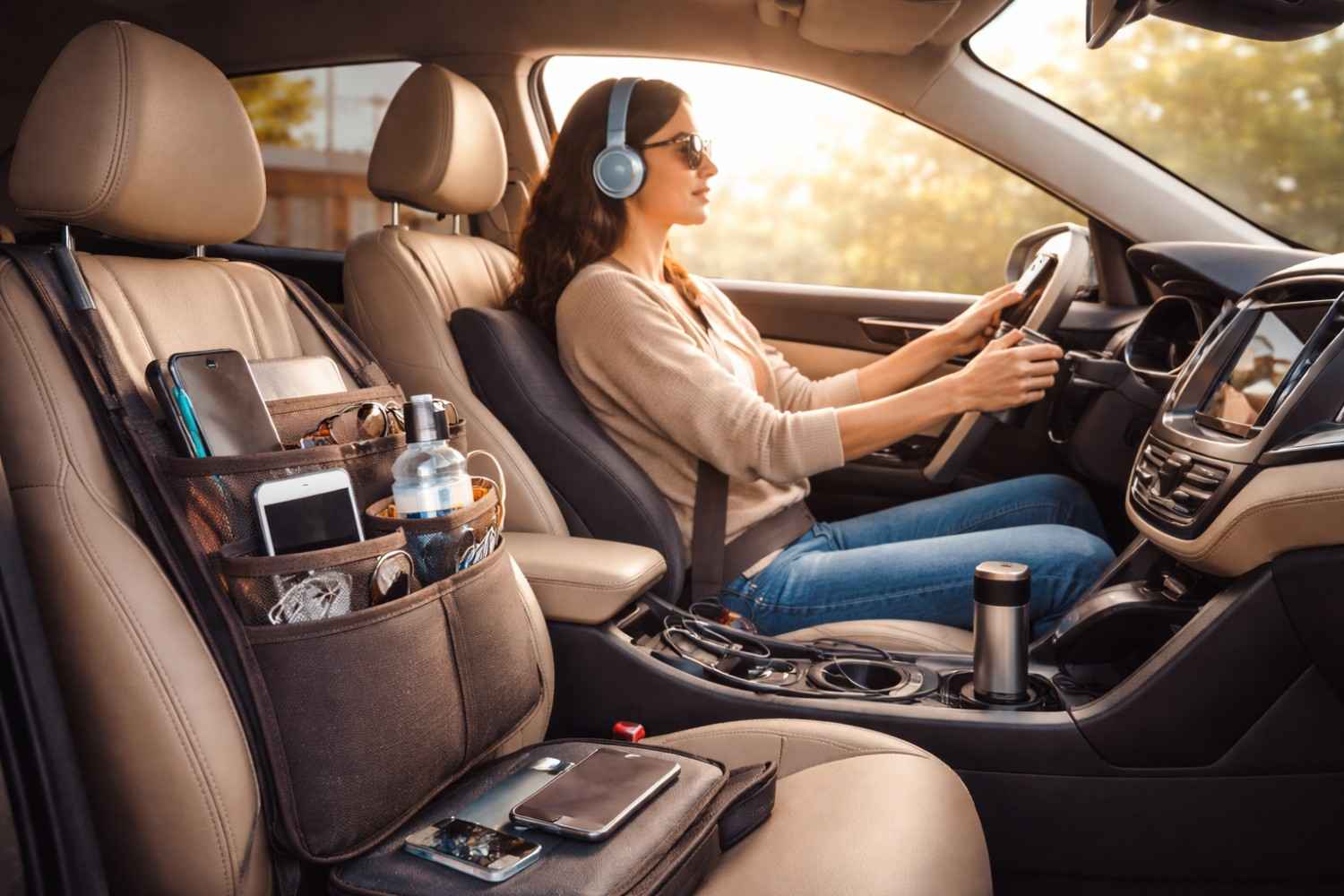
For drivers, the passenger seat often becomes a dumping ground for mail, water bottles, and receipts. A front-seat organizer or a dedicated car console organizer can give every item a home. Look for models with designated slots for your phone, sunglasses, and charging cables. Trunk organizers are equally valuable for keeping gym bags, groceries, and emergency kits from sliding around during transit.
Bag Inserts and Tech Pouches
For public transit commuters, your backpack or tote bag is your mobile command center. If your bag lacks internal pockets, consider buying a felt bag organizer insert. These inexpensive additions provide structure to unstructured tote bags and offer pockets for everything from lip balm to laptops. Alternatively, a separate tech pouch for cables, chargers, and power banks ensures you never have to untangle a knot of wires while standing on a moving bus.
Create a Sanctuary with Entertainment Options
Noise pollution is a major stressor during commuting. The roar of traffic, the screech of train brakes, and the conversations of fellow passengers can overstimulate the brain. curate your auditory environment is one of the most effective ways to mentally escape the grind.
Noise-Canceling Headphones
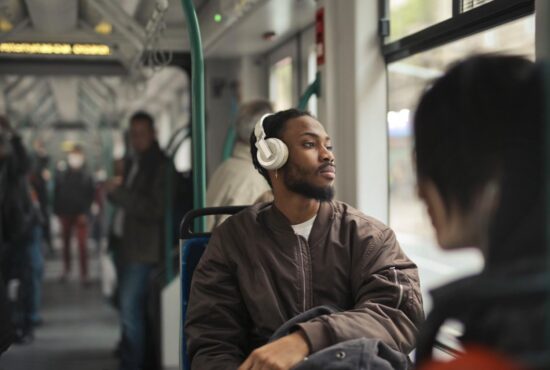
Active noise-canceling (ANC) headphones are arguably the best investment a public transit commuter can make. By using microphones to monitor ambient noise and generating an inverse sound wave to cancel it out, these headphones create a bubble of silence. This allows you to listen to music at a lower, safer volume or simply enjoy the quiet.
Audiobooks and Podcasts
If you drive, you can’t block out the world entirely, but you can change what you focus on. Listening to audiobooks or podcasts turns traffic jams into university lecture halls or comedy clubs. This engages the mind, making time feel like it is passing faster. Many commuters find that “saving” a favorite podcast specifically for the drive gives them something to look forward to in the morning.
Equip Yourself with Practical Accessories
Sometimes, comfort comes down to having the right tool at the right time. A few practical accessories can prevent minor annoyances from becoming major frustrations.
Temperature-Controlled Travel Mugs
There are a few things worse than lukewarm coffee on a cold morning. Investing in a high-quality, vacuum-insulated travel mug ensures your beverage stays at the perfect temperature for hours. Look for options with leak-proof locking mechanisms so you can toss them in a bag without fear of spills.
Portable Power Banks
Battery anxiety is real. Watching your phone die when you still have forty minutes of travel left is a modern nightmare. A slim, high-capacity power bank is an essential everyday carry item. For drivers, a fast-charging adapter that fits flush with the cigarette lighter port ensures your phone is topped up by the time you arrive.
Blue-Light Blocking Glasses
If your commute involves staring at a screen—whether it’s a GPS navigation unit or a tablet on the train—eye strain can lead to headaches. Blue-light blocking glasses filter out the harsh light emitted by digital screens, which can help reduce eye fatigue and keep your circadian rhythm in check, especially during those dark winter morning commutes.
Manage Your Environment for Climate Comfort
Temperature fluctuations are a frequent source of discomfort. You might be freezing on the train platform, but sweating once you squeeze into a crowded car. Or perhaps your car turns into an oven after sitting in the office parking lot all day.
Sun Protection and Cooling

For drivers, managing the sun is crucial. High-quality sunshades can keep your dashboard from radiating heat. Furthermore, professional car window tint in Salt Lake City can significantly reduce the amount of heat and UV rays entering the vehicle, keeping the interior cooler and protecting your skin from sun damage.
If you take public transit, a portable handheld fan can be a lifesaver during the summer months. Modern versions are rechargeable, quiet, and small enough to fit in a pocket, providing a personal breeze in stagnant, stuffy environments.
Hydration and Air Quality
In winter, car heaters can dry out the air, drying out your skin and sinuses. Portable mini humidifiers that fit in a cup holder and run off USB power can add moisture back into the air. Paired with a consistent hydration habit, this keeps you feeling fresh upon arrival.
Reduce Tension with Stress Reduction Tools
Finally, consider the emotional aspect of your journey. Road rage and transit delays trigger the body’s fight-or-flight response. Small sensory inputs can help signal to your nervous system that it is safe to relax.
Aromatherapy
Scent is powerfully linked to emotion. Car diffusers—either passive clip-on models or active electronic ones—can fill your vehicle with calming scents. Lavender or chamomile can help reduce stress during a traffic jam, while peppermint or citrus can help wake you up during an early morning drive.
Calming Playlists
Music has a direct effect on heart rate and blood pressure. While high-energy tracks are great for the gym, they might elevate your stress levels in heavy traffic. Curate a specific “de-stress” playlist featuring classical music, lo-fi beats, or ambient soundscapes. Switching to this playlist when you hit a delay can act as a mental trigger to breathe and let go of frustration.
Conclusion
The daily commute is inevitable for many, but suffering through it is optional. You don’t have to overhaul your entire routine overnight. Start with one area that causes you the most friction—be it a sore back, a dead phone battery, or boredom—and apply a small upgrade. By investing in ergonomic support, organizing your space, and curating your sensory environment, you turn a mundane travel obligation into a time of personal comfort. Your destination will still be there waiting for you; you might as well enjoy the ride.