



Chocolate is more than just a treat; it’s a marvel of science, craftsmanship, and precision. Have you ever wondered how the chocolate bars that line store shelves are made?
The journey from a humble cocoa bean to a smooth, delicious bar involves a fascinating mix of art and technology. Let’s take a sweet tour inside a chocolate factory and uncover the steps behind your favorite confection.
1. Sourcing the Cocoa Beans
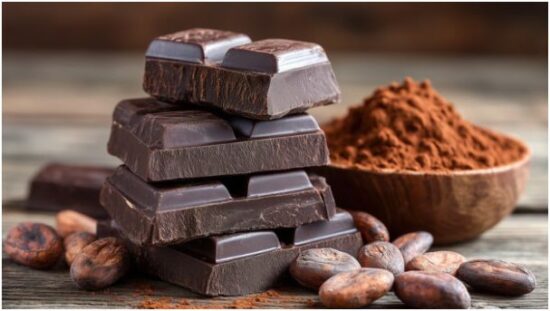
Every chocolate bar begins with cocoa beans, the seeds of the cacao tree. These beans are grown primarily in tropical regions near the equator. Once harvested, the beans are fermented and dried to develop the rich flavors essential to chocolate.
The quality of the beans plays a huge role in determining the final taste of the chocolate bar. Factories often source beans from multiple regions to create consistent flavors year-round.
2. Roasting: Unlocking the Flavor
After the beans arrive at the factory, they are roasted to bring out their distinct flavors. Roasting is a delicate process—too little, and the beans taste flat; too much, and the flavor becomes bitter.
Modern factories use large industrial roasters to maintain consistent heat and timing, ensuring each batch meets the desired flavor profile. The roasted beans are then cracked open to remove the shells, leaving behind cocoa nibs.
3. Grinding and Conching
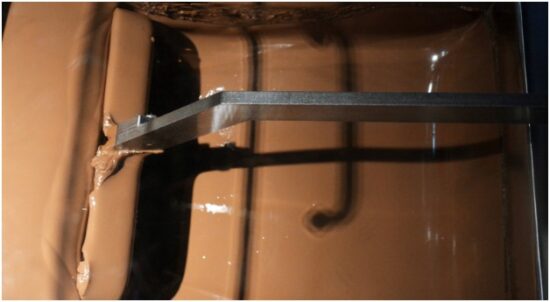
The cocoa nibs are ground into a thick, chocolatey paste called cocoa mass or chocolate liquor. This is the foundation of all chocolate products. From here, the chocolate undergoes a process called conching, where it’s continuously mixed and aerated for several hours.
Conching smooths the texture and develops the complex flavors we associate with premium chocolate. Sugar, milk powder (for milk chocolate), and other ingredients are gradually added during this stage to create the perfect balance of sweetness and creaminess.
4. Tempering: The Key to Smooth Chocolate
Tempering is a critical step that ensures the chocolate sets with a glossy finish and a satisfying snap. The chocolate is carefully heated and cooled to stabilize the cocoa butter crystals.
This process prevents chocolate from becoming dull or developing a white, streaky appearance known as bloom. In large factories, tempering machines precisely control temperature cycles, ensuring each batch meets quality standards.
5. Molding and the Cooling Belt
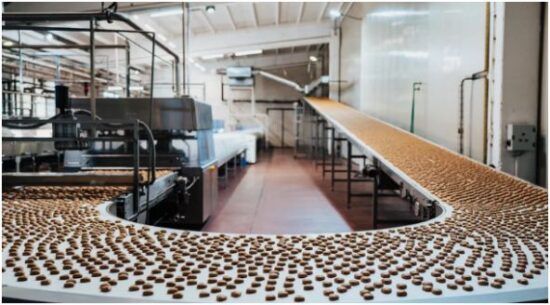
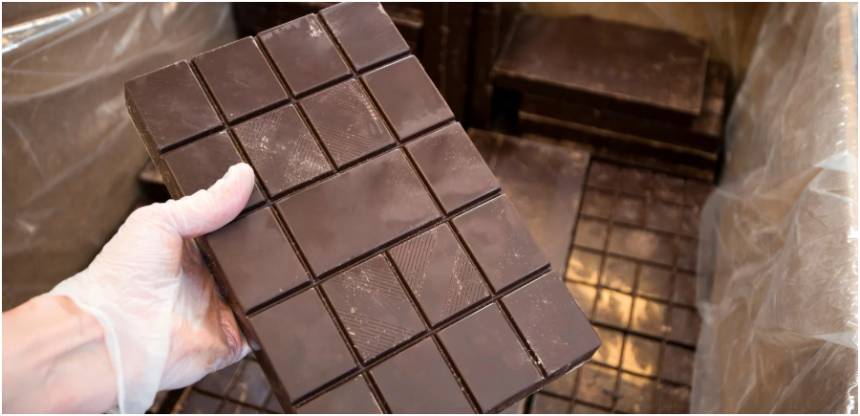
Once tempered, the liquid chocolate is poured into molds to form bars. Some factories add nuts, caramel, or other fillings at this stage. After molding, the bars move onto a cooling belt, where they gradually solidify at controlled temperatures.
This ensures the chocolate retains its smooth texture and glossy finish. The cooling belt is a critical component in mass production, allowing factories to produce large quantities without compromising quality.
6. Wrapping and Packaging
After the chocolate bars have hardened, they are carefully removed from the molds and sent to the wrapping machines.
Packaging isn’t just about appearance; it also protects the chocolate from moisture, light, and air, which can affect its flavor and texture. Modern factories often use automated systems to wrap and label bars efficiently while maintaining hygiene standards.
7. Quality Control: Ensuring Perfection

Even in highly automated factories, human expertise is essential. Quality control teams taste, inspect, and test batches to ensure each bar meets flavor, texture, and appearance standards.
Any imperfections are flagged, and adjustments are made to the production process. This attention to detail ensures that every bar you enjoy lives up to the brand’s reputation.
8. From Factory to Store
Finally, the chocolate bars are boxed, palletized, and shipped to stores worldwide. The journey from bean to bar involves countless steps, but the result is a product that delights millions. Each chocolate bar carries the story of careful sourcing, precise engineering, and artisanal skill.
In Conclusion
The next time you unwrap a chocolate bar, remember the intricate process that brought it to your hands. From carefully sourced cocoa beans to the cooling belt that gives it its perfect texture, chocolate manufacturing is a blend of science, creativity, and passion. Understanding the journey behind your favorite treat can make every bite even sweeter.